How to Improve Professional Kitchen Organization
Professional kitchen organization is one of the most important aspects of the modern horeca industry.
A well-organized kitchen allows staff to work faster, more accurately and more efficiently, improving not only productivity but also service quality and customer satisfaction.
Restaurants, pizzerias, burger restaurants, street food businesses and modern professional kitchens must handle high work volumes, fast service and intense operational rhythms.
For this reason, properly designing spaces and choosing the right professional equipment is essential.
Why Organization Is So Important
In a professional kitchen, every movement directly affects service.
Poor organization can cause:
- delays
- operational errors
- waste
- disorder
- slower service
- staff stress
On the other hand, a well-structured kitchen allows you to:
- speed up operations
- improve workflow
- optimize spaces
- increase productivity
- reduce service times
In modern horeca businesses, efficiency and speed are essential.
Space Planning
A professional kitchen must be designed following a logical operational flow.
The main operational areas are:
- storage
- preparation
- cooking
- plating
- service
Each area must be connected functionally to avoid unnecessary movement and improve workflow continuity.
Proper planning allows the kitchen to operate more safely and efficiently even during peak hours.
The Importance of Professional Equipment
Professional equipment is essential for improving kitchen organization.
A modern kitchen line should include:
- professional fryers
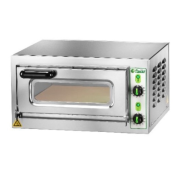
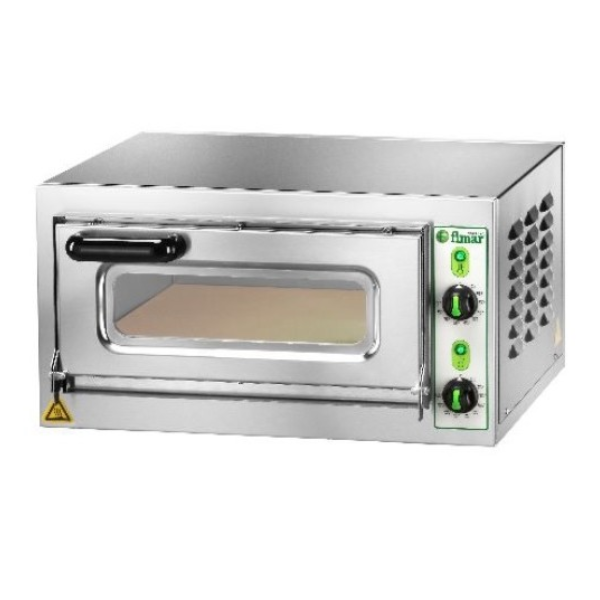
- professional ovens
- professional grills
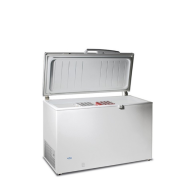
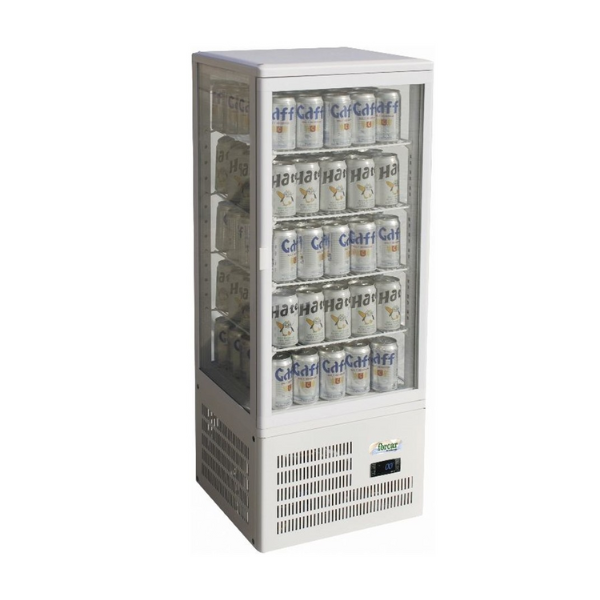
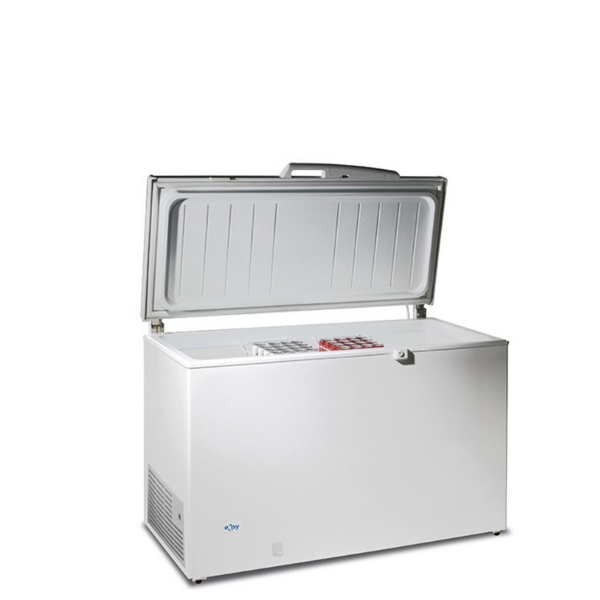
- professional refrigeration systems
- professional refrigerated counters
- stainless steel worktables
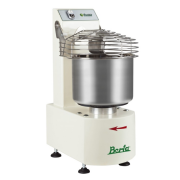
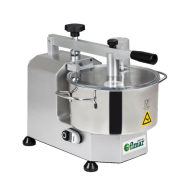
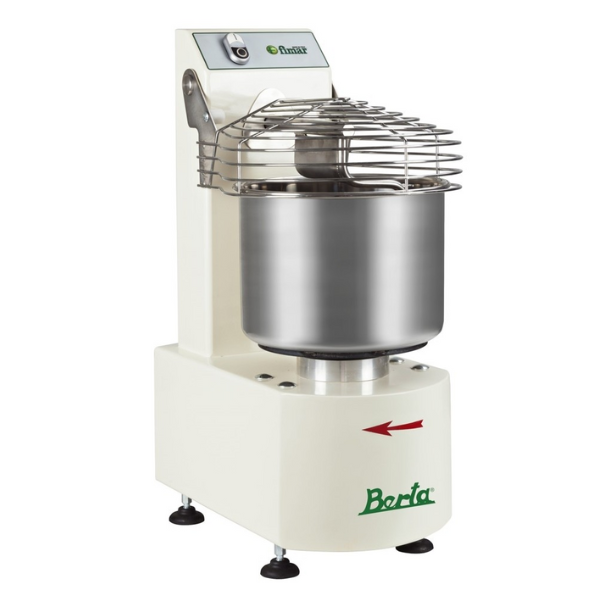
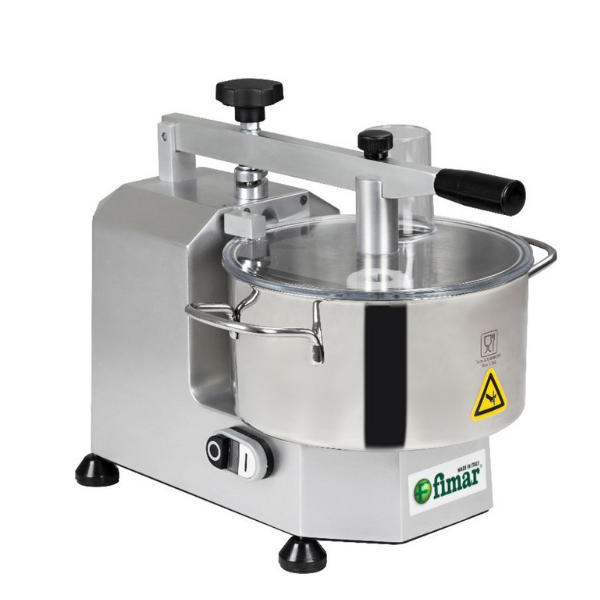
- multifunctional equipment
Choosing efficient equipment allows you to:
- reduce operational times
- improve workflow
- increase productivity
- work more safely
Workflow and Operational Speed
Workflow represents the operational structure of the kitchen.
Each station must be organized to:
- speed up preparation
- avoid staff interference
- improve communication
- reduce mistakes
In modern kitchens, staff must work smoothly and continuously.
Incorrect equipment placement can slow down the entire service.
Refrigeration and Ingredient Organization
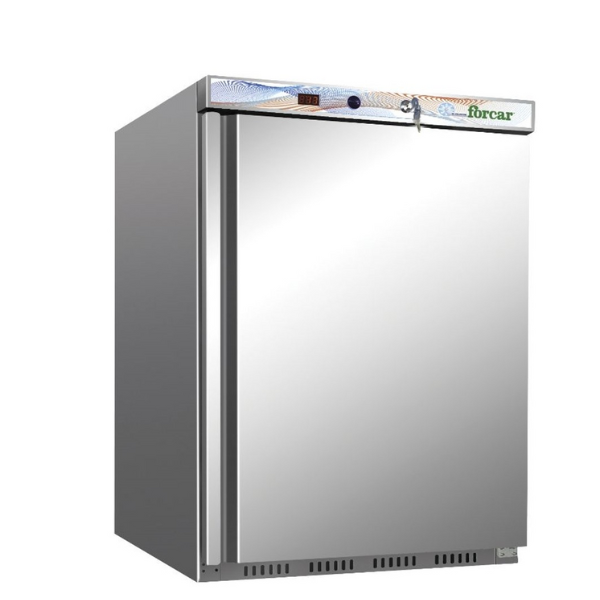
Professional refrigeration is essential for maintaining order and efficiency.
Ingredients and preparations must be easily accessible during service.
Many businesses use:
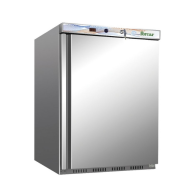
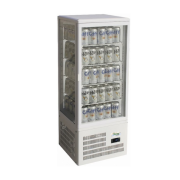
- professional refrigerated cabinets
- professional refrigerated counters
- cold rooms
- gastronorm containers
to better organize:
- fresh ingredients
- meat
- dairy products
- sauces
- semi-prepared foods
Good organization reduces waste and improves speed.
Stainless Steel and Professional Hygiene
Stainless steel is the most commonly used material in professional catering.
Professional stainless steel worktables guarantee:
- durability
- hygiene
- easy cleaning
- long service life
A clean and organized kitchen improves:
- food safety
- operational speed
- overall organization
In horeca businesses, hygiene and practicality must coexist perfectly.
Space Optimization in Modern Kitchens
Even in small kitchens, it is possible to create a highly productive environment.
To achieve this, it is important to:
- use compact equipment
- optimize vertical space
- create multifunctional stations
- reduce unnecessary movement
Modern professional kitchens must be designed intelligently.
The Importance of Service Speed
Speed does not mean working chaotically.
An organized kitchen allows you to:
- maintain consistent quality
- reduce waiting times
- manage peak hours
- improve customer experience
In modern concepts such as:
- street food
- fast casual
- burger restaurants
- modern pizzerias
service speed is a major competitive factor.
Staff Training and Organization
Staff must also be involved in kitchen organization.
Each operator must understand:
- their role
- operational flow
- workstations
- procedures
An organized kitchen brigade works more efficiently and reduces service errors.
Technology and Professional Kitchens
Modern kitchens increasingly integrate technology to improve organization and productivity.
Many businesses use:
- digital systems
- kitchen monitors
- temperature control
- smart equipment
- operational automation
Technology helps optimize time and workflow management.
How to Truly Improve Organization
To effectively improve a professional kitchen, it is important to:
- analyze workflow
- eliminate unnecessary movement
- choose proper equipment
- organize workstations
- improve internal communication
- maintain constant order
Small improvements can dramatically increase operational efficiency.
Conclusion
A well-organized professional kitchen improves:
- productivity
- service quality
- operational speed
- safety
- staff management
Investing in:
- professional equipment
- efficient workflow
- organized refrigeration
- functional workstations
means building a modern, high-performance kitchen capable of handling demanding daily operations.