Ingredient and Allergen Sheets in Food Service: Professional Requirements and Organization
In the professional food service industry, the proper management of ingredients and allergens is essential from both a regulatory and operational perspective.
Restaurants, pizzerias, street food businesses, pastry shops, bars, delicatessens and takeaway operations must provide customers with clear and accurate information about the food being served.
Today’s consumers are increasingly attentive to quality, transparency and food safety.
For this reason, properly organizing:
- ingredient sheets
- allergens
- labels
- public food information
is not only a legal obligation but also a sign of professionalism and reliability.
Why Allergen Management Is So Important
Food allergens can represent a serious health risk for consumers.
Incorrect or incomplete communication may cause:
- health problems
- complaints
- penalties
- loss of customer trust
For this reason, European regulations require allergens to be displayed clearly and easily accessible.
In modern food service, transparency and food safety are essential.
Main Food Allergens
According to European regulations, the main allergens include:
- gluten
- milk
- eggs
- nuts
- soy
- shellfish
- mollusks
- fish
- peanuts
- celery
- mustard
- sesame
- sulphur dioxide
- lupins
Every horeca business must correctly communicate the presence of these ingredients in served products.
Where Information Must Be Displayed
Allergen information can be communicated through:
- menus
- signs
- blackboards
- ingredient sheets
- accessible registers
- product labels
- digital QR codes
The important thing is that customers can easily access the information before purchasing or consuming food.
The Importance of Ingredient Sheets
Ingredient sheets help organize all product information professionally.
A proper technical sheet should include:
- product name
- ingredients used
- allergens present
- storage instructions
- preparation date
- possible contamination risks
This system improves:
- food safety
- internal organization
- quality control
- staff management
Street Food and Allergens: Even Greater Attention Required
In the street food sector, allergen management requires special attention.
Food trucks, kiosks and compact kitchens often operate in limited spaces where contamination risks may increase.
For this reason, it is important to:
- separate ingredients
- organize workstations correctly
- use dedicated containers
- maintain constant order
- clearly inform customers
Service speed must never compromise food safety.
Professional Kitchen Line Organization
A well-organized kitchen also facilitates allergen management.
Many businesses use:
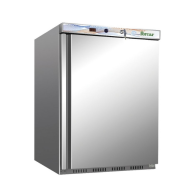
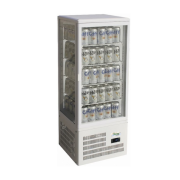
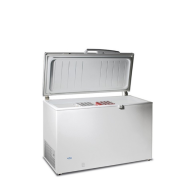
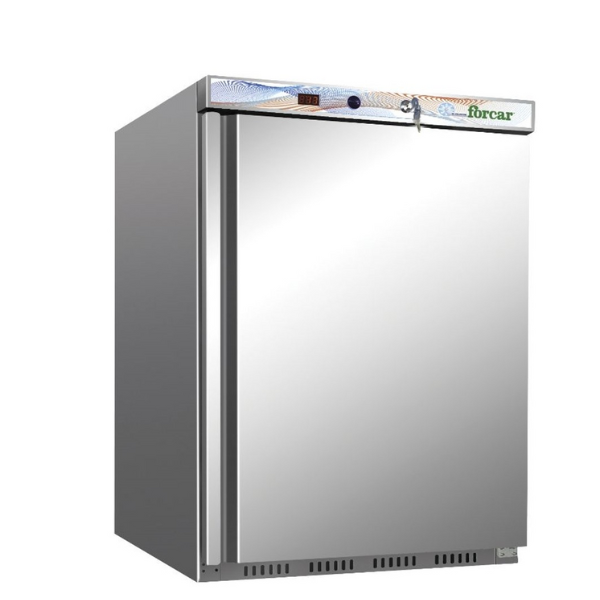
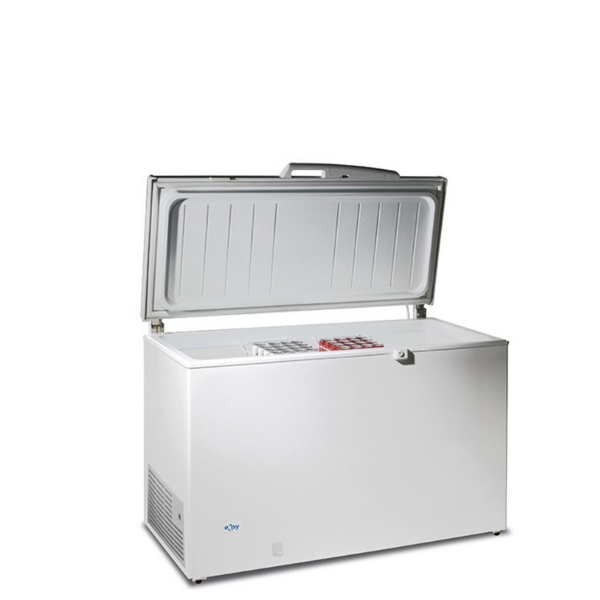
- professional refrigeration systems
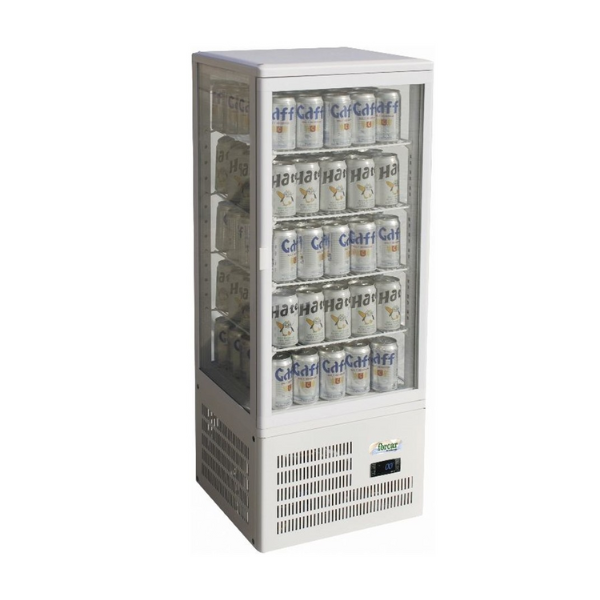
- professional refrigerated counters
- gastronorm containers
- organizational labels
- stainless steel shelving
- separate stations
to improve:
- order
- safety
- operational speed
- ingredient control
Proper Ingredient Storage
Storage is a key element of food safety.
Ingredients must be stored:
- at proper temperatures
- in suitable containers
- separately when necessary
- with clear labels
Modern professional refrigeration systems help maintain high standards and reduce contamination risks.
Staff Training
Staff must also fully understand:
- ingredients used
- allergens present
- HACCP procedures
- contamination management
- workstation organization
A well-trained kitchen team improves safety and service quality.
In modern catering, technical staff training is essential.
HACCP and Food Service Controls
The HACCP system is one of the main tools for ensuring food safety.
Proper ingredient sheet organization simplifies:
- internal controls
- traceability
- health inspections
- document management
Precision in food management is now an essential professional standard.
Clear Communication with Customers
An informed customer perceives greater professionalism.
Clearly displaying ingredients and allergens:
- increases trust
- improves transparency
- reduces misunderstandings
- enhances business reputation
In modern catering, communication and food safety are closely connected.
Technology and Ingredient Management
More and more horeca businesses use:
- digital menus
- QR codes
- management software
- ingredient databases
- digital HACCP systems
Technology helps organize information more efficiently and improve operational management.
Conclusion
Proper ingredient and allergen management means building a more professional, safe and organized food service business.
Ingredient sheets, kitchen organization, efficient refrigeration and staff training are essential elements for guaranteeing quality and safety every day.
In modern catering, attention to detail and customer transparency make the difference.