How to Prepare a Restaurant for Winter: Equipment, Kitchen Organisation and Seasonal Menus
The beginning of winter is therefore an excellent opportunity to assess whether equipment, workspace and kitchen organisation are ready for the months ahead.
Preparing for winter does not automatically mean purchasing new equipment.
The first step is understanding how production requirements are going to change.
Start with the winter menu
Equipment selection should follow the menu.
Ask:
- Which dishes will be introduced?
- Which preparations will increase?
- Which dishes will disappear?
- Which recipes require longer production?
- What can be prepared in advance?
A menu centred on braised meats has different requirements from one focused on fresh pasta or grilled food.
Review last winter's performance
If the business was already operating last winter, previous experience provides valuable data.
Analyse:
- best-selling dishes;
- peak periods;
- recurring operational problems;
- equipment bottlenecks;
- waste;
- insufficient stock;
- refrigeration capacity;
- labour-intensive preparations.
These observations can guide better decisions.
Check equipment before peak season
Waiting for essential equipment to fail during a busy service is poor planning.
Before winter, review critical machines according to manufacturer recommendations and established maintenance programmes.
Potential problems can then be identified before peak demand.
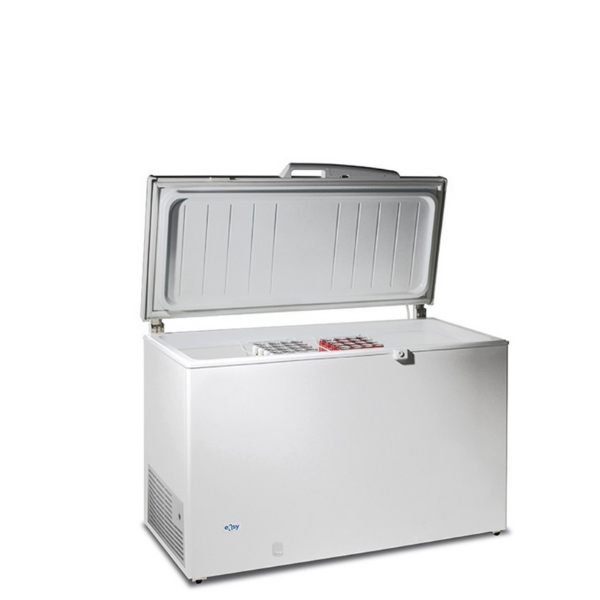
Professional refrigeration
Cold weather does not replace professional refrigeration.
A new menu may change:
- ingredients;
- stock levels;
- prepared foods;
- container requirements;
- delivery frequency.
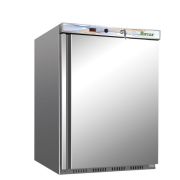
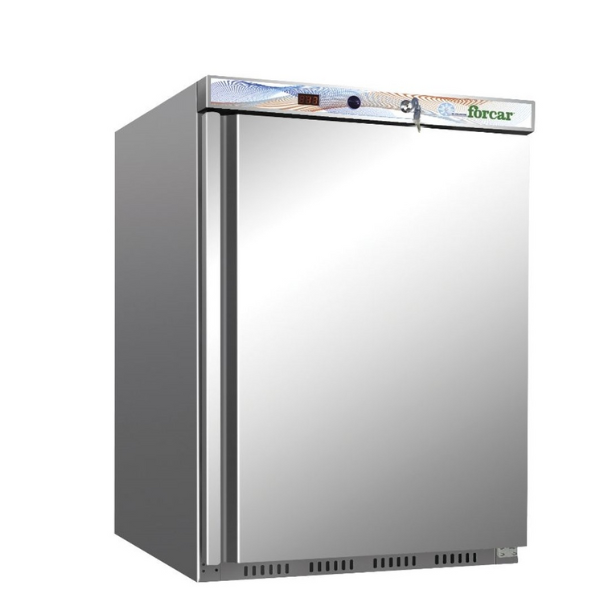
Check whether refrigerated cabinets, counters and other equipment offer adequate capacity and organisation.
Soups and hot food
Soups and cream soups can become particularly important during colder months.
Restaurants, hotels, canteens and buffet operations may need suitable equipment for service and hot holding.
Remember:
hot holding and continued cooking are not the same process.
Equipment should always be operated according to its intended purpose and food-safety procedures.
Braising and slow cooking
Braised beef, stews and other long-cooked preparations naturally fit winter menus.
Depending on the operation, production may involve:
- bratt pans;
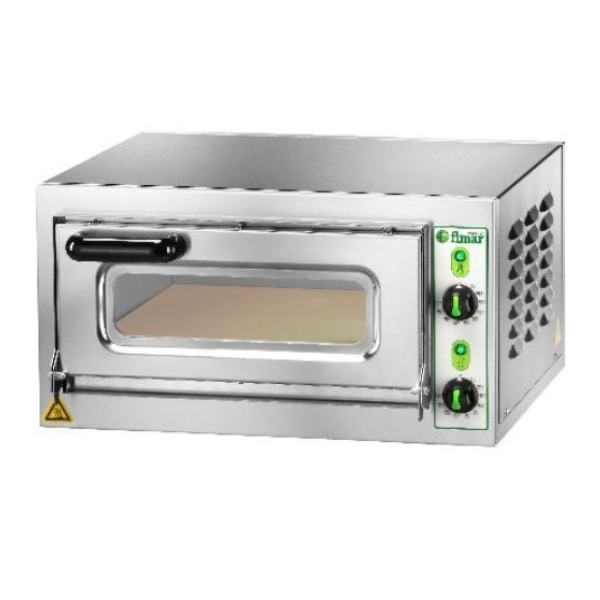
- ovens;
- professional ranges;
- other suitable cooking equipment.
The main challenge is coordinating time and production volume.
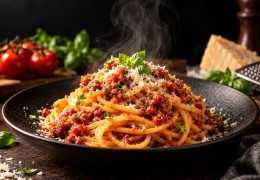
Fresh and filled pasta
Ravioli, tortelli, tagliatelle and other fresh pasta dishes can incorporate:
- pumpkin;
- mushrooms;
- truffle;
- cheeses;
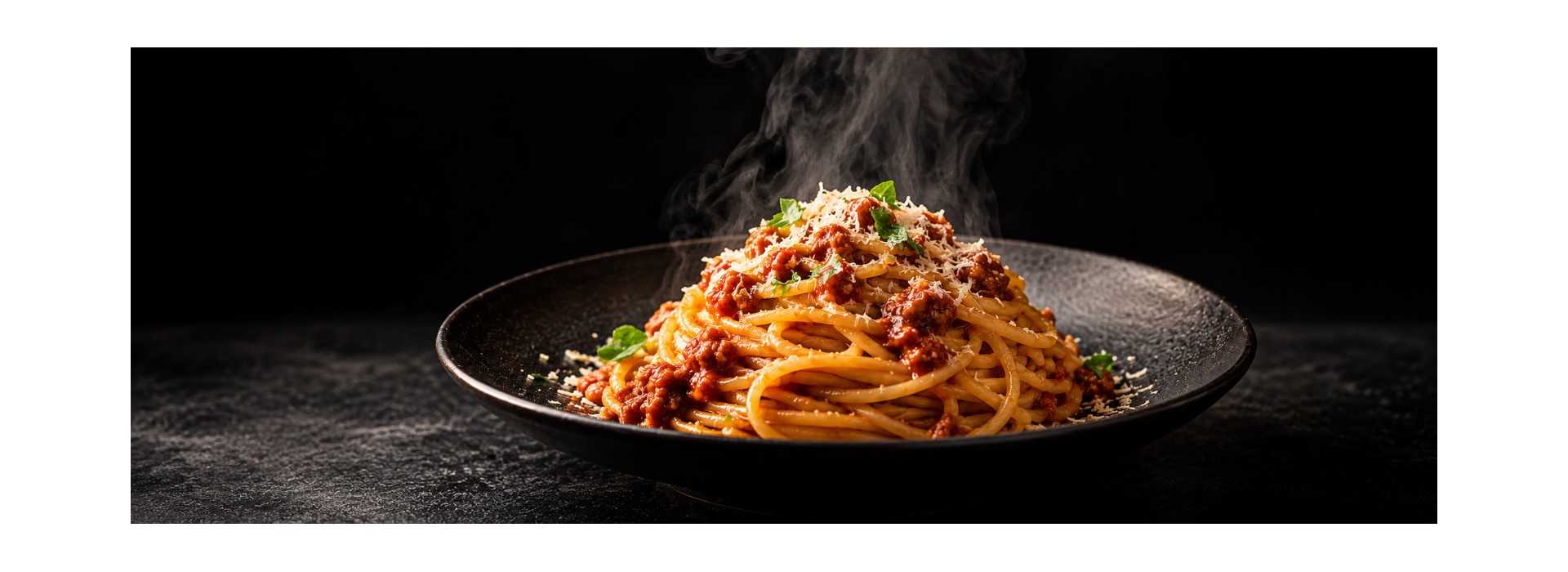
- ragù;
- chestnuts.
If fresh pasta becomes a major part of the winter menu, preparation, production, storage and service should be organised as one workflow.
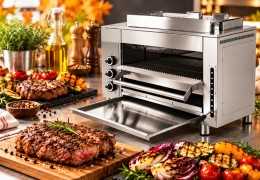
Grills and meat
Winter does not remove demand for grilled meat.
Check:
- cooking capacity;
- preheating requirements;
- workstation organisation;
- utensils;
- cleaning;
- extraction and ventilation where relevant.
The station must be capable of handling actual peak demand.
Fryers and ovens
Adding new dishes can unintentionally overload existing equipment.
If several new menu items all depend on the fryer or oven at the same time, a bottleneck may appear.
When planning the winter menu, evaluate the combined equipment workload during service, not each dish independently.
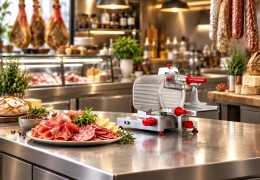
Food preparation equipment
Production begins before cooking.
Washing, cutting, portioning, mixing, chopping and other processes all consume time.
Depending on the operation, equipment such as:
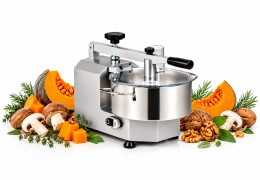
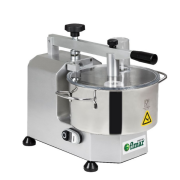
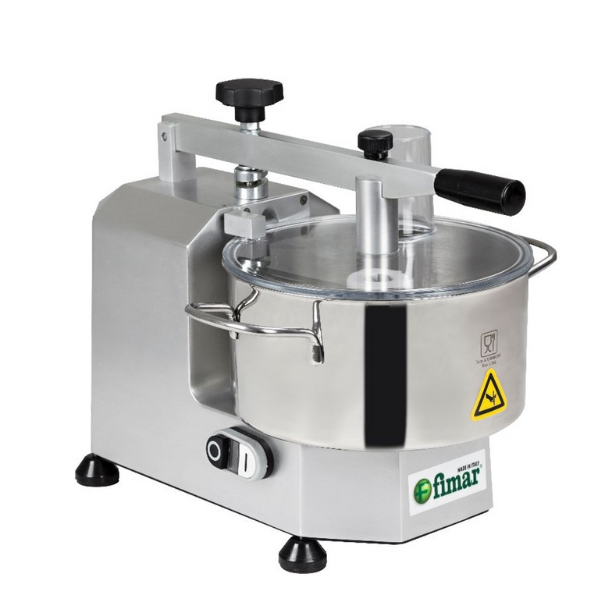
- bowl cutters;
- vegetable preparation machines;
- slicers;
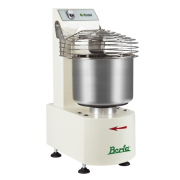
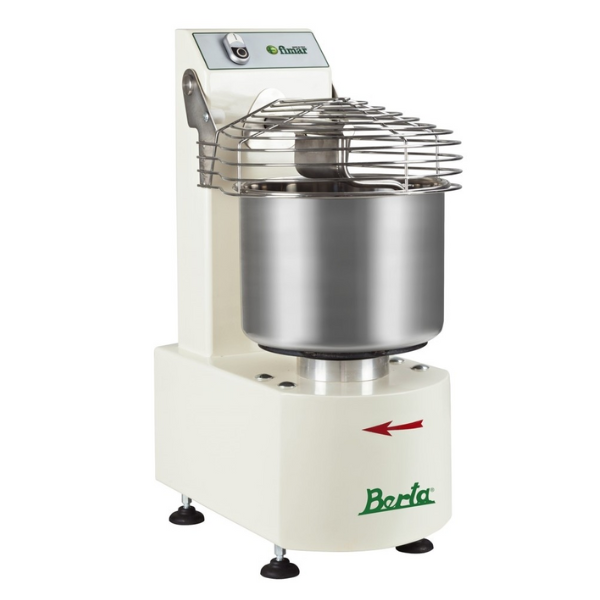
- mixers;
- planetary mixers;
- meat mincers;
- fresh pasta machines
may help organise mise en place.
Equipment should be selected according to genuine production requirements.
Buffets and hot holding
Hotels, canteens and catering businesses must also consider what happens after cooking.
Food quality depends not only on preparation but also on how dishes are managed until service.
Hot-holding equipment should be incorporated into the business's food-safety procedures.
Bars during winter
Cold weather may change the bar offer.
Demand can shift towards:
☕ coffee
🍫 hot chocolate
🥐 breakfast products
🥪 hot snacks
🍵 seasonal beverages
A professional hot chocolate machine, for example, may be worth considering when customer demand and the business concept justify it.
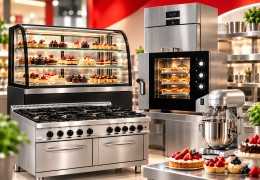
Pastry shops
Winter can significantly change pastry production.
Chocolate, nuts, creams, baked goods and festive products may increase workloads.
Before peak periods, assess whether:
- mixers;
- planetary mixers;
- ovens;
- refrigeration;
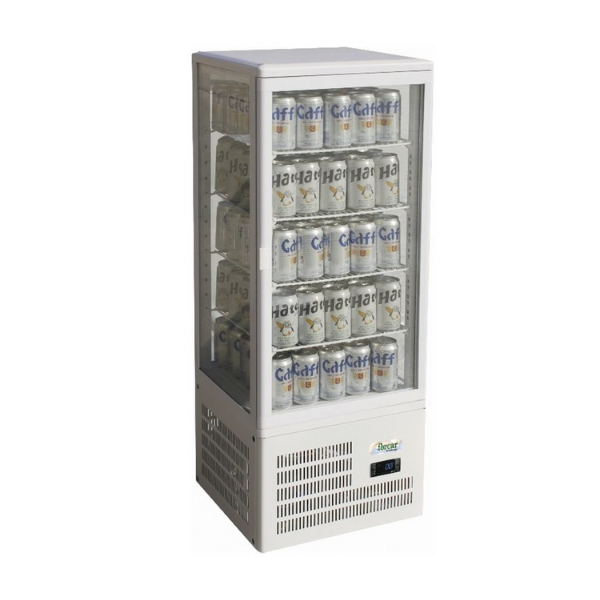
- display equipment
are suitable for expected volumes.
Wine service
Winter menus often feature richer dishes and different wine pairings.
The wine list should therefore be reviewed alongside the menu.
Check:
- available capacity;
- bottle organisation;
- stock rotation;
- storage conditions;
- preparation for service.
Wine cabinet specifications should always be considered according to the actual model.
Stock management
A menu change also changes inventory.
Before winter:
- review existing stock;
- correct organisational inefficiencies;
- reconsider minimum quantities;
- define rotation;
- organise storage areas.
Buying more stock does not automatically mean being better prepared.
Update food cost
Every seasonal menu should be financially reviewed.
For each dish consider:
- ingredient quantities;
- purchasing costs;
- yield;
- waste;
- portion cost;
- selling price.
Ingredient prices can change, so food cost should be updated rather than copied from the previous season.
Standardise recipes
Professional recipes should be repeatable.
Define:
- ingredients;
- quantities;
- preparation;
- portions;
- procedure;
- presentation.
Standardisation supports both kitchen consistency and financial control.
Train staff before launching the menu
Staff should not discover the new menu during the first busy service.
Before launch, define and test:
- recipes;
- portions;
- plating;
- timing;
- workstations;
- responsibilities.
Front-of-house staff should also understand ingredients and allergen information according to business procedures.
Check utilities before adding equipment
New machines can change kitchen infrastructure requirements.
Depending on the equipment, verify:
- electrical supply;
- available power;
- gas;
- water;
- drainage;
- extraction;
- ventilation;
- installation space.
Never assume existing utilities are automatically compatible with a new machine.
Plan for peak periods
Weekends, holidays, corporate dinners and events can create workloads far above the normal daily average.
Ask:
- What is the realistic maximum number of covers?
- Which dishes will be ordered most?
- Which equipment will become critical?
- What can be prepared in advance?
- How much refrigeration capacity is required?
- How many staff members will be needed?
Winter planning should consider the most demanding service, not only the average day.
Chef Costantino's related recipe
To close the autumn editorial calendar, Chef Costantino proposes:
Red Wine Braised Beef with Potato Purée and Truffle
A dish designed for the transition from autumn into colder weather.
Slow-cooked beef, red wine, creamy potato purée and truffle create a warm and structured seasonal dish.
It also demonstrates the importance of kitchen organisation: preparation, slow cooking, storage, finishing and service must work together.
Winter readiness checklist
Before the new season, check:
- winter menu defined;
- food costs updated;
- recipes standardised;
- critical equipment checked;
- sufficient production capacity;
- adequate refrigeration;
- organised storage;
- utilities verified;
- staff trained;
- cleaning procedures reviewed;
- allergen management defined;
- maintenance planned;
- peak-day capacity assessed.
Common mistakes
Avoid:
- changing the menu without analysing kitchen capacity;
- purchasing machines without checking utilities;
- waiting for equipment failure before inspection;
- sizing production around average days only;
- ignoring peak demand;
- overloading refrigeration;
- placing too many dishes on the same machine;
- failing to update food cost;
- insufficient staff training;
- buying oversized equipment;
- ignoring workflow.
FAQ – Preparing a Restaurant for Winter
When should a winter menu be planned?
Early enough to test recipes, production methods and capacity before launch.
Does every new season require new equipment?
No. First evaluate existing equipment and identify real limitations.
How can I tell whether equipment is undersized?
Analyse peak workloads, waiting times and recurring production bottlenecks.
Is refrigeration less important during winter?
No. Professional food storage requirements remain important regardless of outdoor temperature.
What should be checked before buying new equipment?
Dimensions, capacity, utility requirements, power, installation, available space, technical specifications and compatibility with intended production.
Conclusion
Preparing a restaurant for winter is not simply about adding soups, braised dishes and warm food to the menu.
It means coordinating:
menu + production + equipment + staff + storage + workflow + food cost.
Before buying equipment, identify the problem it needs to solve.
Before introducing a dish, make sure the kitchen can produce it during peak service.
And before the season begins, ensure that critical equipment is ready.
👉 Explore professional preparation, cooking, refrigeration, storage and display equipment on Ristorazione-Refrigerazione.it.
TAGS
winter restaurant menu, preparing restaurant for winter, winter menu, commercial kitchen equipment, restaurant equipment, professional refrigeration, professional cooking equipment, kitchen organisation, restaurant maintenance, restaurant food cost, braised beef, professional kitchen, catering equipment, HoReCa, Ristorazione-Refrigerazione
As colder months arrive, the way many food-service businesses operate begins to change.
Ingredients change, customer preferences evolve and the workload of the kitchen may shift.
Soups, cream soups, braised meats, roasts, filled pasta, risottos, hot chocolate and slow-cooked dishes become increasingly important.
The beginning of winter is therefore an excellent opportunity to assess whether equipment, workspace and kitchen organisation are ready for the months ahead.
Preparing for winter does not automatically mean purchasing new equipment.
The first step is understanding how production requirements are going to change.
Start with the winter menu
Equipment selection should follow the menu.
Ask:
- Which dishes will be introduced?
- Which preparations will increase?
- Which dishes will disappear?
- Which recipes require longer production?
- What can be prepared in advance?
A menu centred on braised meats has different requirements from one focused on fresh pasta or grilled food.
Review last winter's performance
If the business was already operating last winter, previous experience provides valuable data.
Analyse:
- best-selling dishes;
- peak periods;
- recurring operational problems;
- equipment bottlenecks;
- waste;
- insufficient stock;
- refrigeration capacity;
- labour-intensive preparations.
These observations can guide better decisions.
Check equipment before peak season
Waiting for essential equipment to fail during a busy service is poor planning.
Before winter, review critical machines according to manufacturer recommendations and established maintenance programmes.
Potential problems can then be identified before peak demand.
Professional refrigeration
Cold weather does not replace professional refrigeration.
A new menu may change:
- ingredients;
- stock levels;
- prepared foods;
- container requirements;
- delivery frequency.
Check whether refrigerated cabinets, counters and other equipment offer adequate capacity and organisation.
Soups and hot food
Soups and cream soups can become particularly important during colder months.
Restaurants, hotels, canteens and buffet operations may need suitable equipment for service and hot holding.
Remember:
hot holding and continued cooking are not the same process.
Equipment should always be operated according to its intended purpose and food-safety procedures.
Braising and slow cooking
Braised beef, stews and other long-cooked preparations naturally fit winter menus.
Depending on the operation, production may involve:
- bratt pans;
- ovens;
- professional ranges;
- other suitable cooking equipment.
The main challenge is coordinating time and production volume.
Fresh and filled pasta
Ravioli, tortelli, tagliatelle and other fresh pasta dishes can incorporate:
- pumpkin;
- mushrooms;
- truffle;
- cheeses;
- ragù;
- chestnuts.
If fresh pasta becomes a major part of the winter menu, preparation, production, storage and service should be organised as one workflow.
Grills and meat
Winter does not remove demand for grilled meat.
Check:
- cooking capacity;
- preheating requirements;
- workstation organisation;
- utensils;
- cleaning;
- extraction and ventilation where relevant.
The station must be capable of handling actual peak demand.
Fryers and ovens
Adding new dishes can unintentionally overload existing equipment.
If several new menu items all depend on the fryer or oven at the same time, a bottleneck may appear.
When planning the winter menu, evaluate the combined equipment workload during service, not each dish independently.
Food preparation equipment
Production begins before cooking.
Washing, cutting, portioning, mixing, chopping and other processes all consume time.
Depending on the operation, equipment such as:
- bowl cutters;
- vegetable preparation machines;
- slicers;
- mixers;
- planetary mixers;
- meat mincers;
- fresh pasta machines
may help organise mise en place.
Equipment should be selected according to genuine production requirements.
Buffets and hot holding
Hotels, canteens and catering businesses must also consider what happens after cooking.
Food quality depends not only on preparation but also on how dishes are managed until service.
Hot-holding equipment should be incorporated into the business's food-safety procedures.
Bars during winter
Cold weather may change the bar offer.
Demand can shift towards:
☕ coffee
🍫 hot chocolate
🥐 breakfast products
🥪 hot snacks
🍵 seasonal beverages
A professional hot chocolate machine, for example, may be worth considering when customer demand and the business concept justify it.
Pastry shops
Winter can significantly change pastry production.
Chocolate, nuts, creams, baked goods and festive products may increase workloads.
Before peak periods, assess whether:
- mixers;
- planetary mixers;
- ovens;
- refrigeration;
- display equipment
are suitable for expected volumes.
Wine service
Winter menus often feature richer dishes and different wine pairings.
The wine list should therefore be reviewed alongside the menu.
Check:
- available capacity;
- bottle organisation;
- stock rotation;
- storage conditions;
- preparation for service.
Wine cabinet specifications should always be considered according to the actual model.
Stock management
A menu change also changes inventory.
Before winter:
- review existing stock;
- correct organisational inefficiencies;
- reconsider minimum quantities;
- define rotation;
- organise storage areas.
Buying more stock does not automatically mean being better prepared.
Update food cost
Every seasonal menu should be financially reviewed.
For each dish consider:
- ingredient quantities;
- purchasing costs;
- yield;
- waste;
- portion cost;
- selling price.
Ingredient prices can change, so food cost should be updated rather than copied from the previous season.
Standardise recipes
Professional recipes should be repeatable.
Define:
- ingredients;
- quantities;
- preparation;
- portions;
- procedure;
- presentation.
Standardisation supports both kitchen consistency and financial control.
Train staff before launching the menu
Staff should not discover the new menu during the first busy service.
Before launch, define and test:
- recipes;
- portions;
- plating;
- timing;
- workstations;
- responsibilities.
Front-of-house staff should also understand ingredients and allergen information according to business procedures.
Check utilities before adding equipment
New machines can change kitchen infrastructure requirements.
Depending on the equipment, verify:
- electrical supply;
- available power;
- gas;
- water;
- drainage;
- extraction;
- ventilation;
- installation space.
Never assume existing utilities are automatically compatible with a new machine.
Plan for peak periods
Weekends, holidays, corporate dinners and events can create workloads far above the normal daily average.
Ask:
- What is the realistic maximum number of covers?
- Which dishes will be ordered most?
- Which equipment will become critical?
- What can be prepared in advance?
- How much refrigeration capacity is required?
- How many staff members will be needed?
Winter planning should consider the most demanding service, not only the average day.
Chef Costantino's related recipe
To close the autumn editorial calendar, Chef Costantino proposes:
Red Wine Braised Beef with Potato Purée and Truffle
A dish designed for the transition from autumn into colder weather.
Slow-cooked beef, red wine, creamy potato purée and truffle create a warm and structured seasonal dish.
It also demonstrates the importance of kitchen organisation: preparation, slow cooking, storage, finishing and service must work together.
Winter readiness checklist
Before the new season, check:
- winter menu defined;
- food costs updated;
- recipes standardised;
- critical equipment checked;
- sufficient production capacity;
- adequate refrigeration;
- organised storage;
- utilities verified;
- staff trained;
- cleaning procedures reviewed;
- allergen management defined;
- maintenance planned;
- peak-day capacity assessed.
Common mistakes
Avoid:
- changing the menu without analysing kitchen capacity;
- purchasing machines without checking utilities;
- waiting for equipment failure before inspection;
- sizing production around average days only;
- ignoring peak demand;
- overloading refrigeration;
- placing too many dishes on the same machine;
- failing to update food cost;
- insufficient staff training;
- buying oversized equipment;
- ignoring workflow.
FAQ – Preparing a Restaurant for Winter
When should a winter menu be planned?
Early enough to test recipes, production methods and capacity before launch.
Does every new season require new equipment?
No. First evaluate existing equipment and identify real limitations.
How can I tell whether equipment is undersized?
Analyse peak workloads, waiting times and recurring production bottlenecks.
Is refrigeration less important during winter?
No. Professional food storage requirements remain important regardless of outdoor temperature.
What should be checked before buying new equipment?
Dimensions, capacity, utility requirements, power, installation, available space, technical specifications and compatibility with intended production.
Conclusion
Preparing a restaurant for winter is not simply about adding soups, braised dishes and warm food to the menu.
It means coordinating:
menu + production + equipment + staff + storage + workflow + food cost.
Before buying equipment, identify the problem it needs to solve.
Before introducing a dish, make sure the kitchen can produce it during peak service.
And before the season begins, ensure that critical equipment is ready.
👉 Explore professional preparation, cooking, refrigeration, storage and display equipment on Ristorazione-Refrigerazione.it.
TAGS
winter restaurant menu, preparing restaurant for winter, winter menu, commercial kitchen equipment, restaurant equipment, professional refrigeration, professional cooking equipment, kitchen organisation, restaurant maintenance, restaurant food cost, braised beef, professional kitchen, catering equipment, HoReCa, Ristorazione-Refrigerazione