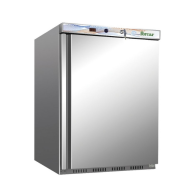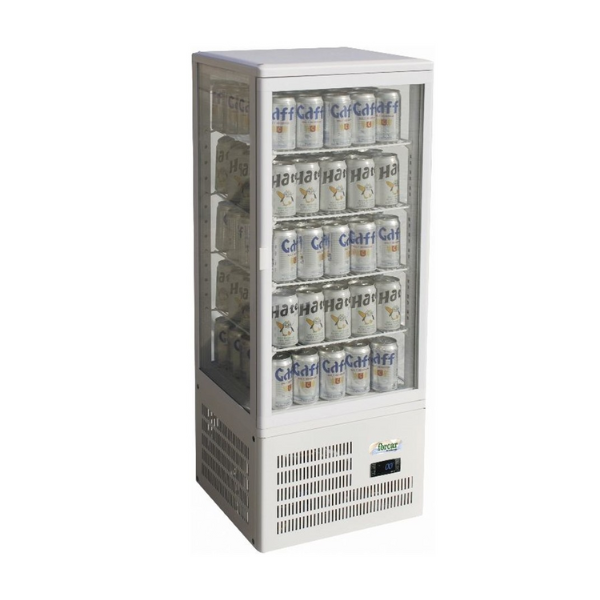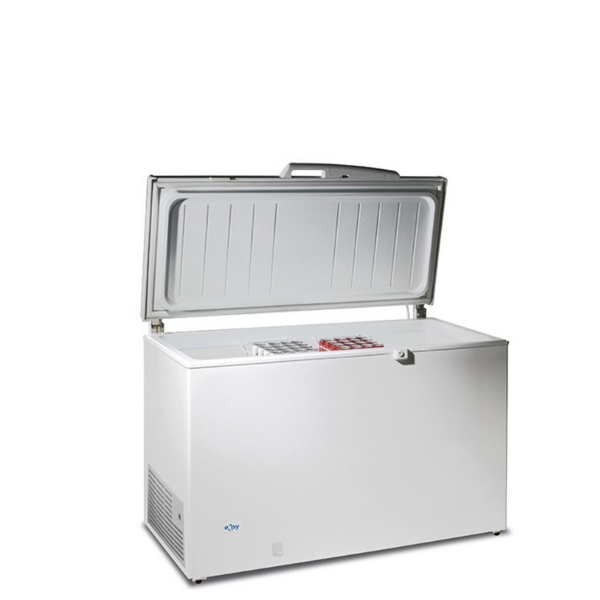
Professional Gelato Refrigerated Cabinets: Reliable Storage for Gelato, Ice Cream Cakes and Frozen Desserts
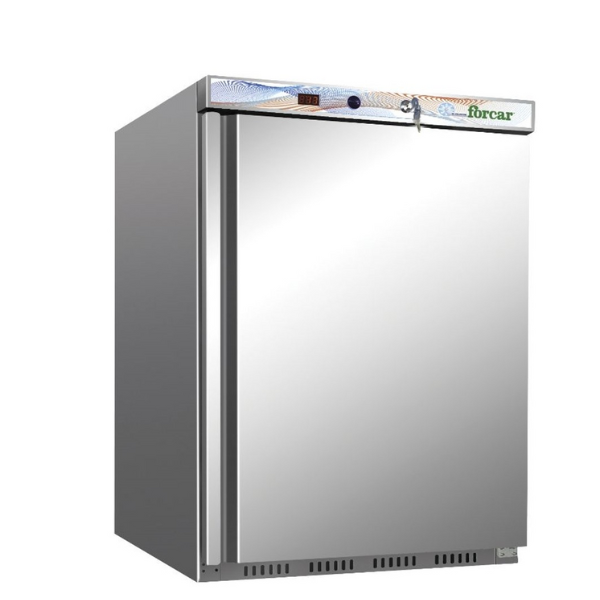
Professional gelato refrigerated cabinets are designed to store artisan gelato, ice cream cakes, semifreddi and other frozen preparations under controlled conditions, helping preserve product quality, texture and laboratory organisation.
Unlike equipment intended for direct product display, refrigerated cabinets are generally used in production areas and laboratories to organise and store frozen preparations efficiently.
Choosing the right model requires careful evaluation of several factors, including usable capacity, external dimensions, operating temperature, shelf configuration, internal organisation, energy consumption, ease of cleaning and compatibility with the production volume of the business.
Selecting a refrigerated cabinet based only on price or declared capacity may result in equipment that does not meet the actual operational requirements of the laboratory.
What Is a Gelato Refrigerated Cabinet Used For?
A professional refrigerated cabinet allows frozen products to be stored under the operating conditions specified by the manufacturer and in accordance with the business's operating procedures.
It can be used to organise and store:
- artisan gelato tubs;
- ice cream cakes;
- semifreddi;
- individual frozen desserts;
- prepared bases;
- frozen desserts;
- seasonal preparations;
- other products compatible with the operating temperature of the equipment.
Before use, always verify the intended application declared by the manufacturer and the operating temperature required for the products being stored.
Where Are They Used?
Professional gelato refrigerated cabinets are widely used in:
- artisan gelato shops;
- production laboratories;
- pastry shops;
- hotels;
- restaurants;
- catering businesses;
- banqueting services;
- food production laboratories;
- Ho.Re.Ca. businesses;
- central production facilities.
Each business has different requirements depending on production volume, daily workflow and available space.
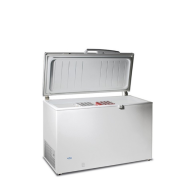
Refrigerated Cabinet or Horizontal Storage Freezer?
Both types of equipment allow frozen product storage, but they generally meet different operational requirements.
A vertical refrigerated cabinet offers:
- better use of vertical space;
- improved shelf organisation;
- quick access to products;
- reduced floor footprint;
- orderly production management.
A horizontal storage freezer may be more suitable in other situations depending on the type of products handled and the organisation of the laboratory.
The choice should always be based on the actual workflow and daily operational requirements.
Choosing the Right Capacity
One of the most common mistakes is considering only the declared storage volume.
Instead, it is advisable to evaluate:
- number of gelato tubs produced;
- quantity of ice cream cakes;
- weekly production;
- seasonal production peaks;
- production frequency;
- available installation space;
- existing refrigerated storage equipment.
An undersized cabinet may require frequent product transfers.
An oversized cabinet may increase both investment costs and energy consumption without providing real operational benefits.
Internal Organisation
The internal layout directly affects laboratory efficiency.
Before purchasing, it is advisable to verify:
- number of shelves;
- adjustable shelf positions;
- shelf load capacity;
- usable distance between shelves;
- ease of shelf removal;
- accessibility during service.
A well-organised cabinet helps separate different preparations and reduces the time required to locate products.
Operating Temperature
The operating temperature should always be compatible with the products being stored.
Before purchasing, verify:
- declared temperature range;
- intended application specified by the manufacturer;
- typical product load;
- door opening frequency;
- ambient installation temperature;
- climate class.
The equipment should always be used according to the manufacturer's technical specifications.
Climate Class
The climate class indicates the environmental conditions for which the equipment has been designed.
Before installation, evaluate:
- laboratory temperature;
- humidity;
- nearby ovens or heat sources;
- room ventilation;
- direct sunlight exposure;
- frequency of door openings.
Operating the equipment outside the specified environmental conditions may affect its performance.
Dimensions and Installation
Before purchasing, carefully measure the available installation space.
Consider:
- width;
- depth;
- height;
- door opening clearance;
- ventilation space;
- accessibility for cleaning and maintenance;
- delivery path into the laboratory.
Proper installation also facilitates future maintenance and technical servicing.
Refrigeration System
The performance of a refrigerated cabinet also depends on the refrigeration system adopted.
Before purchasing, it is advisable to verify:
- the method of cold distribution;
- temperature uniformity;
- refrigeration system characteristics;
- airflow management;
- temperature control system;
- defrost method.
These features may vary from one model to another, so the manufacturer's technical specifications should always be consulted.
Shelves, Rails and Internal Organisation
A gelato laboratory produces different preparations throughout the day.
For this reason, the flexibility of the internal layout is an important aspect to consider.
Before purchasing, it is useful to verify:
- the number of shelf rails available;
- the possibility of adjusting shelf height;
- shelf load capacity;
- compatibility with the tubs and containers used in the laboratory;
- ease of shelf removal;
- accessibility when retrieving products.
A well-organised interior reduces the time needed to locate products and improves daily workflow.
Solid Door or Glass Door?
The most suitable solution depends primarily on the intended use of the cabinet.
Solid Door
A solid door is generally preferred in production laboratories where the primary objective is the storage of frozen products.
It may also help reduce light exposure and is commonly selected when the cabinet is not intended for customer display.
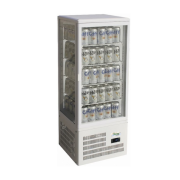
Glass Door
A glass door can be useful when it is important to identify stored products quickly without opening the cabinet frequently.
The final choice should always be based on the operational needs of the business and the characteristics of the selected model.
Defrost System
The defrost system influences the day-to-day management of the equipment.
Before purchasing, it is advisable to verify:
- the type of defrost system;
- activation method;
- expected defrost frequency;
- condensate water management;
- any operations required from the operator;
- the manufacturer's recommendations.
All defrost operations should always be carried out according to the equipment manual.
Energy Consumption
Professional refrigerated cabinets operate for long periods and may have a significant impact on laboratory energy costs.
Before purchasing, compare:
- declared energy consumption;
- usable capacity;
- actual storage volume;
- insulation characteristics;
- refrigeration system;
- climate class;
- expected installation conditions.
Considering only the purchase price may not be the most cost-effective decision over the equipment's lifetime.
Cleaning and Hygiene
The refrigerated cabinet should be included in the business cleaning programme.
It is advisable to provide for:
- temporary removal of products during cleaning;
- cleaning of internal surfaces;
- cleaning of shelves;
- cleaning of door seals;
- inspection of drainage systems, where fitted;
- use of cleaning products compatible with the cabinet materials.
All cleaning operations should always follow the manufacturer's instructions.
Routine Maintenance
Scheduled maintenance helps maintain consistent equipment performance.
Regular inspections should include:
- operating temperature;
- condition of the door seals;
- door closing mechanism;
- ventilation;
- abnormal ice formation;
- control systems;
- warning alarms, where present.
Technical servicing should always be carried out by qualified personnel.
Condenser Cleaning
The condenser plays a fundamental role in heat exchange.
Dust accumulation may reduce refrigeration efficiency.
Cleaning frequency depends on:
- installation environment;
- dust levels;
- frequency of use;
- manufacturer's recommendations.
Cleaning operations should always follow the procedures specified by the manufacturer.
Ventilation
The refrigerated cabinet requires adequate ventilation to operate correctly.
During installation it is important to respect:
- minimum distances from walls;
- space required for air circulation;
- accessibility for maintenance;
- the instructions provided in the technical manual.
Insufficient ventilation may compromise refrigeration performance.
Common Purchasing Mistakes
Choosing a Model Based Only on Capacity
Declared capacity should not be the only purchasing criterion.
Internal organisation, production type and storage requirements should also be evaluated.
Purchasing an Oversized Cabinet
An excessively large cabinet may increase both energy consumption and initial investment without providing operational advantages.
Purchasing an Undersized Cabinet
Insufficient storage capacity can make laboratory organisation more difficult during peak production periods.
Ignoring Climate Class
Environmental conditions should always be compatible with those specified by the manufacturer.
Overlooking Ease of Cleaning
Shelves, rails and internal surfaces should always be easily accessible.
Neglecting Scheduled Maintenance
Regular maintenance helps maintain performance and reduce the risk of unexpected breakdowns.
How to Choose the Right Refrigerated Cabinet
Before purchasing, it is advisable to evaluate:
- daily gelato production;
- number of ice cream cakes;
- overall production volume;
- available installation space;
- external dimensions;
- usable storage capacity;
- internal organisation;
- operating temperature;
- climate class;
- refrigeration system;
- defrost system;
- ease of cleaning;
- maintenance requirements;
- availability of technical support;
- spare parts availability.
A comprehensive evaluation helps ensure that the selected equipment is genuinely suited to the operational needs of the laboratory.
Frequently Asked Questions (FAQ)
What Is a Professional Gelato Refrigerated Cabinet Used For?
It is designed to store artisan gelato, ice cream cakes, semifreddi and other frozen preparations under the operating conditions specified by the manufacturer.
Can It Also Be Used in Pastry Laboratories?
Many models are also suitable for pastry laboratories, provided they are compatible with the products being stored and the required operating temperature.
How Do I Choose the Right Capacity?
Capacity should be determined by evaluating average production, seasonal peaks, the number of preparations and the available installation space.
Is Climate Class Important?
Yes.
The climate class should always be compatible with the environmental conditions of the laboratory where the cabinet will be installed.
Which Routine Checks Should Be Carried Out?
Regular inspections should include operating temperature, door seals, condenser cleanliness, ventilation, control systems and the overall operating condition of the equipment.
Conclusion
Professional gelato refrigerated cabinets are essential equipment for the organised storage of artisan gelato, ice cream cakes, semifreddi and other frozen desserts.
Selecting the right model requires evaluating production requirements, usable storage capacity, available space and the technical characteristics of the equipment.
A correctly sized refrigerated cabinet helps improve laboratory organisation, simplifies daily operations and supports more efficient management of frozen preparations.
Are you looking for a professional gelato refrigerated cabinet for your laboratory?
At Ristorazione-Refrigerazione.it you can compare different models by evaluating storage capacity, external dimensions, operating temperature, internal layout and technical specifications.
If you need assistance in selecting the equipment best suited to your business, contact us:
📞 +39 0824 1816643
📱 WhatsApp +39 389 7940545
Explore our Professional Gelato Refrigerated Cabinets category and find the solution that best suits your production volume, available space and laboratory organisation.