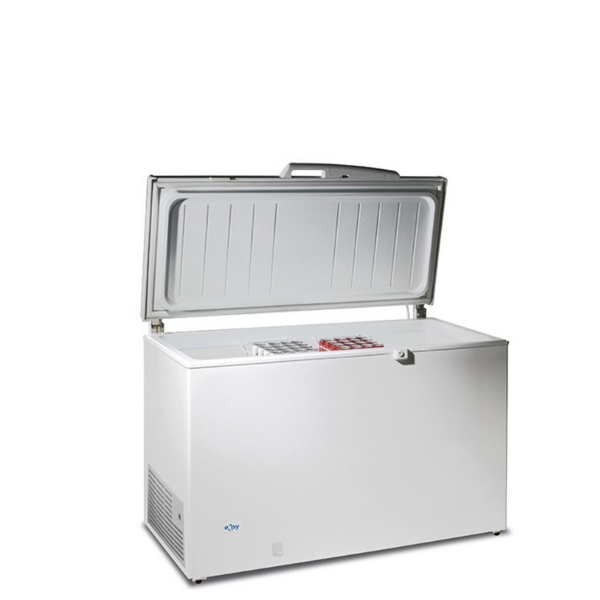
Mistakes to Avoid in Meat Preservation in Butcher Shops
In the professional butcher industry, proper meat preservation is one of the most important aspects for ensuring quality, food safety and operational continuity.
Incorrect refrigeration management may compromise:
- product freshness
- food safety
- meat quality
- shelf life
- business reputation
For this reason, modern butcher shops must carefully organize:
- refrigeration
- cold rooms
- product display
- operational workflow
- HACCP management
In the professional food chain, proper preservation is essential.
The Importance of the Cold Chain
The cold chain must remain constant during all stages:
- transportation
- product receiving
- storage
- processing
- display
Temperature interruptions may cause:
- bacterial growth
- meat deterioration
- quality loss
- hygiene risks
Modern professional refrigeration systems help maintain stable and controlled temperatures.
Mistake 1: Poor Temperature Control
One of the most common mistakes involves incorrect temperature management.
Fresh meat should generally be stored between:
- 0°C
- +4°C
Higher temperatures may accelerate:
- deterioration
- bacterial growth
- freshness loss
For this reason, it is essential to use:
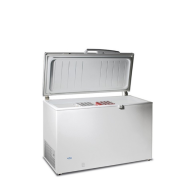
- professional cold rooms
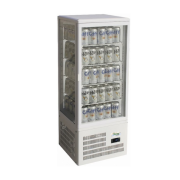
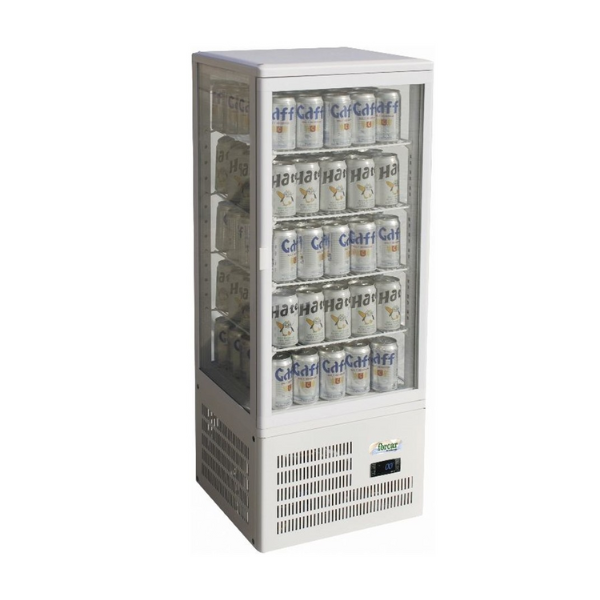
- professional refrigerated counters
- temperature monitoring systems
Temperature control must be constant and precise.
Mistake 2: Overloading the Cold Room
An overcrowded cold room compromises proper cold air circulation.
This may cause:
- uneven temperatures
- insufficient cooling
- increased humidity
- product deterioration
Good space organization improves:
- preservation
- operational order
- ingredient accessibility
- workflow efficiency
Mistake 3: Failure to Separate Products
Meat products must be separated correctly to avoid cross-contamination.
It is important to distinguish:
- beef
- pork
- chicken
- ready-to-eat products
- prepared foods
- packaged products
Many professional butcher shops use:
- dedicated containers
- stainless steel shelving
- food separators
- organizational labels
to improve safety and operational management.
Mistake 4: Poor Equipment Cleaning
Cleaning and sanitization are essential.
Professional equipment must be:
- cleaned daily
- sanitized regularly
- checked frequently
Organic residues and impurities may compromise:
- food safety
- meat quality
- laboratory hygiene
Modern stainless steel equipment greatly simplifies cleaning and maintenance.
Mistake 5: Insufficient Labeling
Every product must be clearly identified.
Labels should include:
- product name
- preparation date
- expiration date
- origin
- allergens
- HACCP information
Proper labeling improves:
- traceability
- organization
- inventory control
- food safety
Mistake 6: Poor Product Rotation
Professional butcher shops must apply the FIFO method:
First In, First Out.
Products stored first must be sold or used first.
Poor rotation may cause:
- waste
- forgotten products
- freshness loss
- organizational problems
Professional inventory management improves quality and productivity.
Mistake 7: Incorrect Display in Refrigerated Counters
Display organization also affects meat preservation.
A disorganized refrigerated counter may compromise:
- temperature consistency
- hygiene
- visual quality
- product preservation
Modern butcher shops organize displays to be:
- orderly
- functional
- accessible
- visually clean
The Importance of Trained Staff
Staff must understand:
- HACCP procedures
- refrigeration management
- proper preservation
- temperature control
- food organization
A well-trained team greatly reduces operational mistakes.
Technology and Modern Preservation
Modern butcher shops increasingly use:
- professional cold rooms
- digital temperature monitoring
- digital HACCP systems
- smart refrigeration
- humidity control systems
Technology improves:
- safety
- organization
- food quality
- energy efficiency
Conclusion
Avoiding mistakes in meat preservation means protecting:
- product quality
- food safety
- butcher shop reputation
- operational efficiency
Professional refrigeration, proper organization and constant monitoring are now essential elements for every modern butcher shop.