How to Properly Organize a Professional Cold Room
In the professional food service industry, organizing a cold room correctly is essential for ensuring food safety, operational efficiency and proper ingredient storage.
Restaurants, pizzerias, street food businesses, delicatessens, hotels and professional kitchens handle large quantities of food every day that must be stored safely and efficiently.
A well-organized cold room helps:
- maintain freshness and quality
- improve kitchen workflow
- reduce food waste
- speed up service
- comply with HACCP regulations
- improve hygiene and safety
In modern catering, refrigeration and organization work together.
Why Cold Room Organization Is So Important
Poor organization can cause:
- food contamination
- product deterioration
- waste
- operational slowdowns
- hygiene issues
- service difficulties
On the other hand, professional organization improves:
- ingredient control
- operational speed
- order
- productivity
- food safety
A cold room should not be considered only a storage space, but a strategic part of the professional kitchen.
Proper Food Separation
One of the most important aspects is the correct separation of food products.
Ingredients must be organized safely and logically.
It is generally recommended to separate:
- meat
- fish
- dairy products
- vegetables
- semi-prepared foods
- ready-to-eat products
- raw ingredients
- packaged products
This organization reduces the risk of cross-contamination.
The Importance of Correct Temperatures
Each food product requires a specific storage temperature.
Modern professional refrigeration systems allow:
- stable temperatures
- constant monitoring
- better preservation
- reduced thermal fluctuations
Regular temperature monitoring is essential for guaranteeing food safety and product quality.
Labeling and Traceability
A well-organized professional kitchen uses clear labeling systems.
Each product should include:
- product name
- preparation date
- expiration date
- allergen information
- HACCP details
Traceability improves:
- ingredient control
- inventory management
- food safety
- internal organization
Shelving and Space Organization
Shelving systems must be organized in an orderly and functional way.
Many businesses use:
- stainless steel shelving
- gastronorm containers
- food dividers
- organizational labels
- modular systems
to optimize:
- available space
- accessibility
- operational speed
- overall order
An intelligent layout reduces wasted time during service.
Ingredient Rotation
Proper product rotation is essential in professional catering.
The most commonly used principle is:
FIFO — First In, First Out
Products stored first should be used first.
This system helps:
- reduce waste
- avoid forgotten expiration dates
- improve inventory management
- maintain consistent freshness
Cleaning and Hygiene in the Cold Room
Regular cleaning is essential.
A professional cold room must be:
- sanitized frequently
- kept dry
- organized
- checked regularly
Poor maintenance can compromise:
- food quality
- safety
- equipment performance
Modern cold rooms and professional refrigeration systems simplify cleaning and maintenance thanks to stainless steel materials and easy-to-clean surfaces.
Organization During Service
During peak hours, a disorganized cold room slows down the entire kitchen.
For this reason, it is important to:
- keep ingredients easily accessible
- organize products by category
- reduce unnecessary movement
- avoid overcrowding
Good organization improves:
- service speed
- kitchen workflow
- staff management
- operational continuity
Cold Rooms and Modern Kitchens
Modern professional kitchens increasingly integrate:
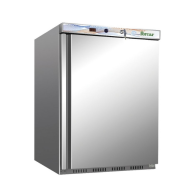
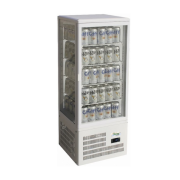
- professional refrigerated cabinets
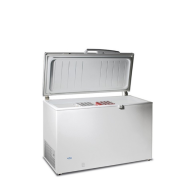
- professional cold rooms
- temperature monitoring systems
- smart refrigeration
- digital HACCP management
Technology now allows better control over storage and food safety.
Mistakes to Avoid
Among the most common mistakes are:
- overloading the cold room
- mixing incompatible products
- incorrect temperatures
- lack of labels
- poor cleaning
- incorrect product rotation
Even small mistakes can compromise quality and safety.
The Role of Staff
Staff must be properly trained in refrigeration management.
Each operator should understand:
- correct temperatures
- HACCP procedures
- ingredient organization
- contamination prevention
- product rotation
An organized team significantly improves kitchen efficiency.
Conclusion
Properly organizing a professional cold room means improving food safety, productivity and operational quality.
Order, efficient refrigeration, temperature control and proper ingredient management are essential elements in modern catering.
A well-organized professional kitchen always starts with refrigeration that is designed and managed correctly.