Professional Rotisserie and Takeaway Equipment Kits: Choosing the Right Machines to Open a Rotisserie Business
Opening a professional rotisserie and takeaway food business requires careful planning of equipment for preparation, cooking, storage and food sales. Commercial rotisserie ovens, deep fryers, ovens, griddles, heated display cabinets and refrigerated counters perform different functions and should be selected according to the menu and production volume. Professional rotisserie equipment kits allow operators to evaluate different combinations of machines, helping organize workstations and plan the initial investment.
What equipment do you need to open a rotisserie business?
The equipment required depends primarily on the types of products the business intends to prepare.
A business specializing in rotisserie chicken has different requirements from an establishment also offering fried foods, side dishes, baked products and ready-to-eat meals.
The main equipment categories to consider include:
-
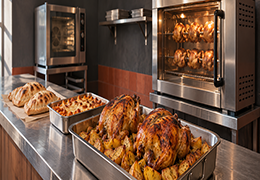
Commercial rotisserie oven: for cooking chickens and other products compatible with the model.
-
Commercial deep fryer: for preparing fried foods.
-
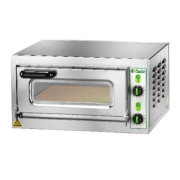
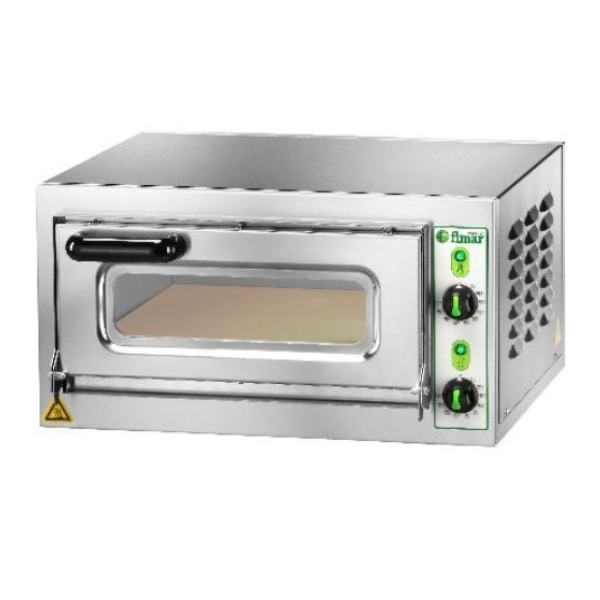
Professional oven: for cooking preparations compatible with the machine's specifications.
-
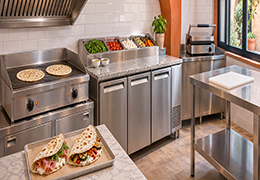
Commercial flat-top griddle: for certain cooking operations on a heated surface.
-
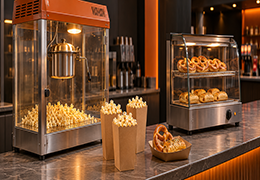
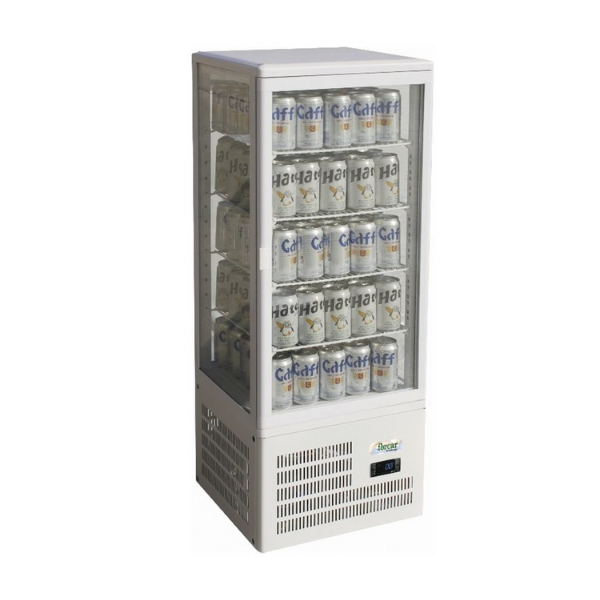
Heated display cabinet: for displaying and holding suitable hot foods.
-
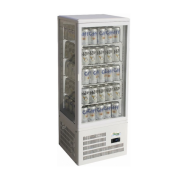
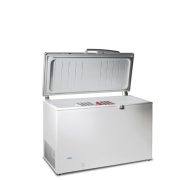
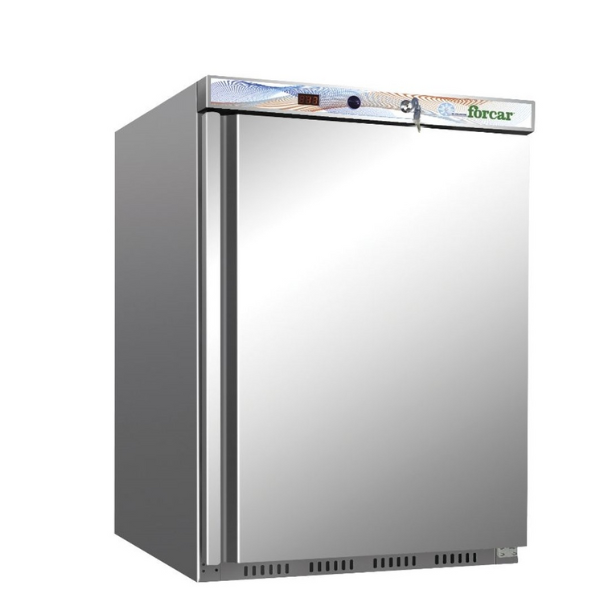
Refrigerated counter: for storing ingredients and preparations under the specified conditions.
-
Stainless steel worktables: for organizing preparation operations.
-
Blast chiller: for rapid chilling processes when required by the production system.
Not all these machines are necessarily included in rotisserie equipment kits. The actual contents must be verified for each configuration.
Commercial rotisserie ovens: features and cooking capacity
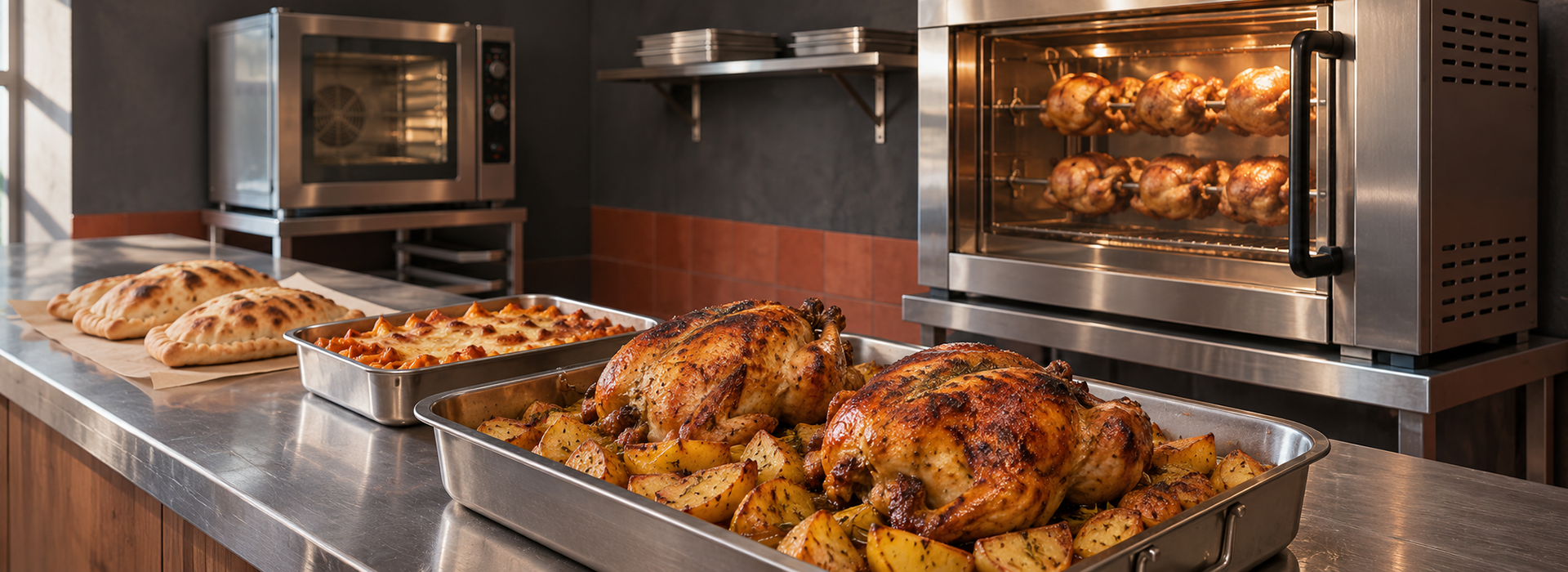
The rotisserie oven is one of the main pieces of equipment in businesses specializing in rotisserie chicken.
Professional models may feature different heating systems, capacities and spit configurations.
Selection should consider the number of chickens to be cooked simultaneously, product dimensions and expected sales volume.
It is important to distinguish the nominal capacity declared by the manufacturer from actual capacity under operating conditions.
Actual capacity may also depend on the weight and dimensions of the food.
Before purchasing, verify:
-
Declared loading capacity.
-
Number and configuration of spits.
-
Electrical or gas supply, depending on the model.
-
External dimensions.
-
Fat collection systems.
-
Cleaning procedures.
-
Installation and ventilation requirements.
A correctly sized rotisserie oven helps organize cooking cycles according to demand.
Commercial deep fryers for rotisserie businesses
Commercial deep fryers are used to prepare many products commonly offered in takeaway food businesses.
Popular preparations include French fries, croquettes, arancini and other foods suitable for deep frying.
Commercial fryers are available in different configurations, with one or more tanks depending on the model.
Selection should consider oil capacity, power, productivity and food characteristics.
A fryer with multiple tanks may help separate certain cooking operations, but it does not eliminate the need for proper allergen and cross-contamination management.
Oil filtration and replacement should also follow appropriate procedures and manufacturer instructions.
Professional ovens: when to include one
A professional oven can be used for different preparations, according to the technical specifications of the model.
A rotisserie business offering baked products, side dishes and other specialties may require a dedicated oven.
Available models may differ in heating system, ventilation, capacity and control functions.
Before purchasing, operators should verify compatibility with the trays used and the products being cooked.
Production capacity and the space required for correct operation must also be considered.
Commercial flat-top griddles for food preparation
A commercial flat-top griddle allows certain cooking operations to be performed on a heated surface.
Depending on the model, the surface may be smooth, ribbed or mixed.
Selection should consider usable dimensions, power and compatibility with the foods included on the menu.
A griddle can complement an oven and deep fryer.
It does not necessarily replace other cooking systems, since each machine has different operating characteristics.
Heated display cabinets: food presentation and holding
Heated display cabinets can be used to display and hold certain prepared foods at suitable temperatures.
It is important to distinguish hot holding from cooking or initial reheating.
A heated display cabinet should not automatically be considered suitable for cooking or regenerating food.
Selection should consider the temperature range, capacity and specifications declared by the manufacturer.
Holding temperatures and display times must comply with applicable food safety procedures.
Accessibility and ease of cleaning are also important.
Refrigerated counters and ingredient storage
Refrigeration is essential for managing raw materials and perishable preparations.
Commercial refrigerated counters are available in different dimensions, capacities and configurations.
Selection should consider the volume of ingredients being stored and their required storage conditions.
The machine's declared temperature range and performance should be verified.
A refrigerated counter does not replace the need for temperature monitoring and proper stock management.
Blast chillers: when are they useful?
A professional blast chiller may be useful for businesses using advance production and rapid cooling processes.
The machine should be selected according to the quantity of product being processed and its declared performance.
Some models may also feature rapid freezing programs.
Blast chilling must be integrated into appropriate food safety procedures, taking account of time, temperature and product characteristics.
Not every rotisserie business requires the same blast chilling configuration.
Professional rotisserie equipment kits: evaluating configurations
Rotisserie equipment kits may include different combinations of machines.
A configuration primarily intended for rotisserie chicken production may differ from a kit designed for a business offering a wider range of prepared foods.
Before selecting a kit, operators should verify:
-
The equipment actually included.
-
Machine dimensions and clearances.
-
Electrical or gas requirements.
-
Production capacity.
-
Ventilation and extraction requirements.
-
Food storage conditions.
-
Space required for cleaning and maintenance.
-
Compatibility with the menu.
Selection should consider the entire workflow, from raw ingredient preparation to final sale.
Organizing a rotisserie business for takeaway and delivery
A business focused on takeaway service must pay particular attention to workstation organization.
Preparation, cooking, holding and packaging areas should follow a logical operational flow.
Interference between raw foods and ready-to-eat products must be avoided.
Temperature management must also be considered during packaging and delivery.
Takeaway packaging should be suitable for the food and intended conditions of use.
A functional layout helps manage busy service periods more efficiently.
Common mistakes when choosing equipment
One of the most common mistakes is purchasing machinery before defining the menu.
Another mistake involves incorrectly assessing production capacity.
A high-capacity rotisserie oven may be unsuitable for a business with limited sales, while an undersized fryer can slow down service.
Available utilities and installation space must also be considered.
Selection should reflect actual operational needs rather than simply the number of machines included in the kit.
Conclusion
Choosing a professional rotisserie equipment kit should begin with an analysis of the products offered, cooking processes and expected service volume.
Rotisserie ovens, fryers, ovens, griddles, heated display cabinets and refrigeration equipment perform different functions and must be selected as part of a coordinated production system.
Careful planning helps create a functional rotisserie business and improves the organization of production, storage and service.
SEO TAGS
professional rotisserie equipment kit, commercial rotisserie equipment, opening a rotisserie business, commercial rotisserie oven, commercial deep fryer, professional cooking oven, commercial flat-top griddle, heated food display cabinet, refrigerated counter, takeaway food equipment, rotisserie chicken equipment