Professional Pastry Equipment Kits: Choosing the Right Machines to Open a Pastry Kitchen
Opening a professional pastry kitchen requires careful planning of equipment, workspace and production processes. Planetary mixers, commercial ovens, dough sheeters, refrigerated counters and blast chillers perform different functions and should be selected according to the products being prepared. Professional pastry equipment kits allow operators to evaluate different combinations of machines, helping organize production and plan the initial investment.
What equipment do you need to open a pastry kitchen?
The equipment required depends on the types of products the business intends to make.
A pastry kitchen specializing in cakes and individual desserts has different requirements from a bakery producing croissants, leavened products and laminated dough.
The main equipment categories to consider include:
-
Professional planetary mixer: for whipping, mixing and processing preparations compatible with the machine.
-
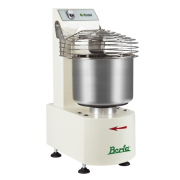
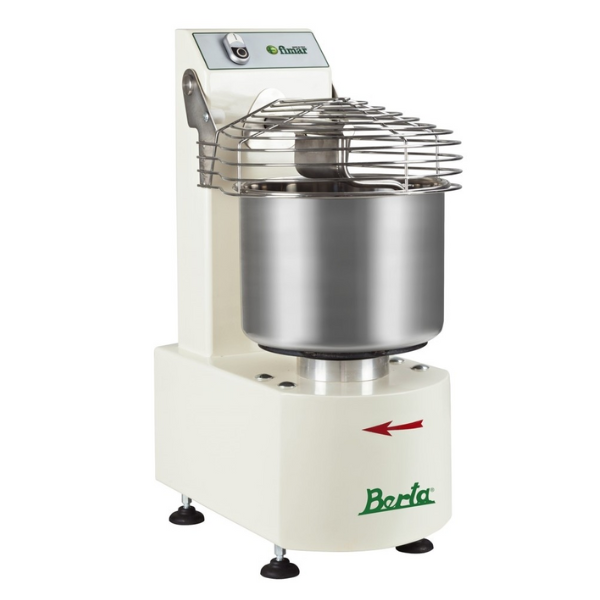
Spiral dough mixer: for certain types of leavened dough.
-
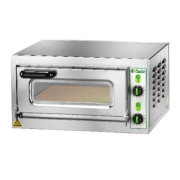
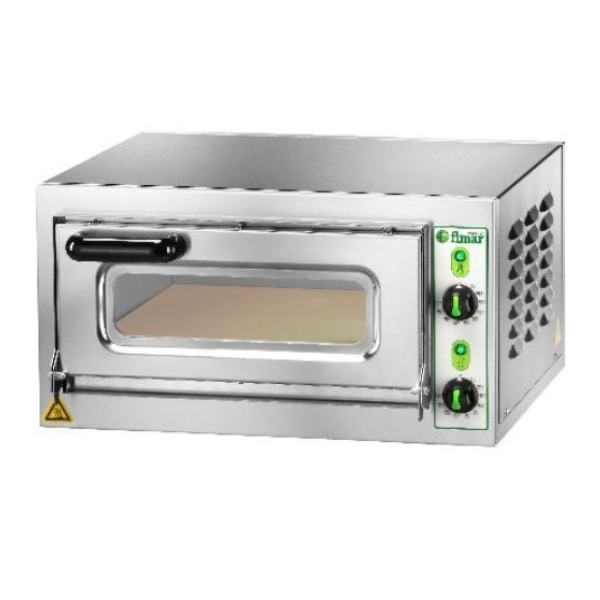
Commercial oven: for baking products according to the model's specifications.
-
Professional dough sheeter: for laminating dough used in specific preparations.
-
Blast chiller: for rapid chilling or freezing processes when supported by the machine.
-
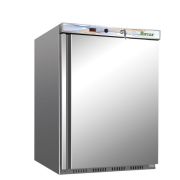
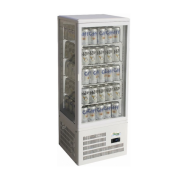
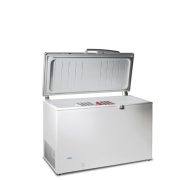
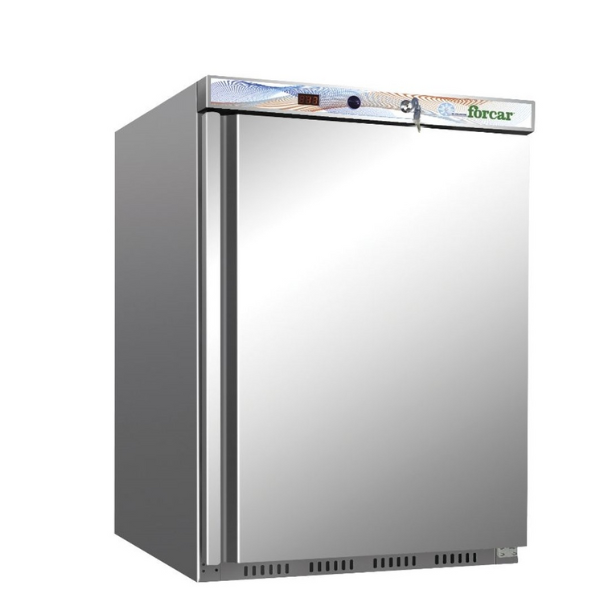
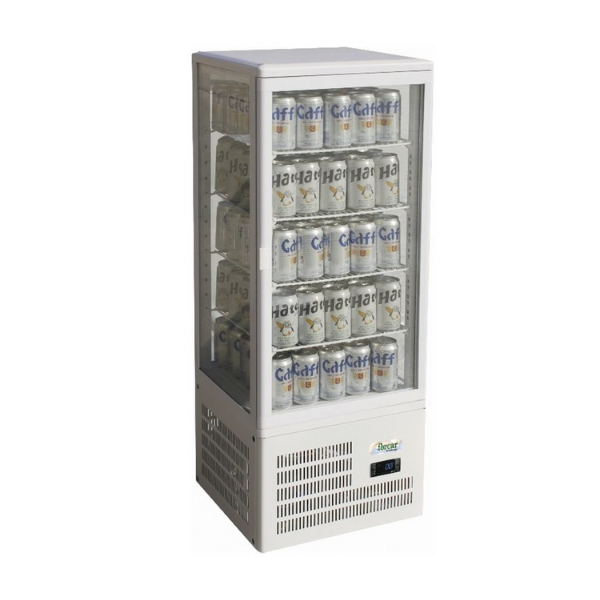
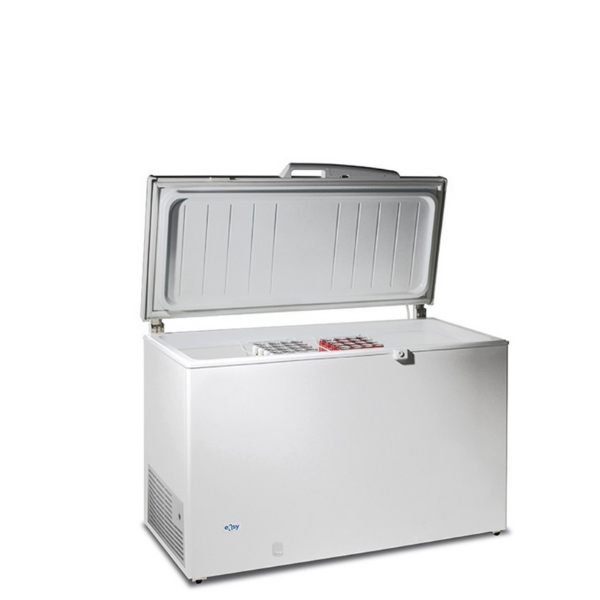
Refrigerated cabinet or counter: for storing ingredients and preparations under appropriate conditions.
-
Stainless steel worktables: for organizing production workstations.
Not all these machines are necessarily included in every pastry equipment kit. The exact contents must be checked in the selected configuration's product specifications.
Professional planetary mixers: features and applications
A planetary mixer is one of the most widely used machines in professional pastry kitchens.
Its mixing system allows different tools to be used, depending on the equipment supplied and the model's characteristics.
Common planetary mixer accessories include whisks, flat beaters and dough hooks.
The whisk is generally used for whipping suitable preparations, while the flat beater can be used to mix batters and creams.
The dough hook is intended for certain dough-processing applications, within the manufacturer's stated limits.
Mixer selection should consider bowl capacity, the quantity of product being processed and frequency of use.
It is important to distinguish nominal bowl volume from actual dough-processing capacity, which can vary according to the recipe and machine.
Spiral dough mixers: when are they necessary in pastry production?
A spiral mixer may be useful in pastry kitchens producing significant quantities of leavened dough.
Its suitability depends on the dough type and the technical characteristics of the model.
For products such as brioche and other leavened preparations, operators should evaluate compatibility with the intended dough consistency and quantities.
Not every spiral mixer is suitable for every application.
Before purchasing, it is necessary to check declared capacity, speed configuration and manufacturer instructions.
Commercial pastry ovens: how to choose the right model
The oven is one of the main pieces of equipment in a pastry kitchen.
Selection should begin with the types of products being baked.
Commercial ovens may feature different heating systems, ventilation, temperature controls and humidity-management functions, depending on the model.
Professional options include convection ovens and models with combined or specialized functions for particular applications.
Selection should consider:
-
Baking chamber dimensions.
-
Compatibility with tray formats.
-
Number of available levels.
-
Heat distribution system.
-
Power and installation requirements.
-
Programs and adjustments actually available.
Higher nominal capacity does not automatically guarantee better results.
The oven must be compatible with the products being prepared and the expected production volume.
Professional dough sheeters: processing and laminating dough
A dough sheeter is used to progressively reduce dough thickness through a roller system.
It can be used for certain puff pastry preparations, laminated dough and other compatible products.
Professional dough sheeters are available in different sizes and configurations.
Selection should consider usable working width, thickness adjustments and available kitchen space.
Cleaning procedures and the manufacturer's safety instructions should also be evaluated.
Blast chillers: when to include one in a pastry kitchen
A professional blast chiller can be used to rapidly reduce the temperature of certain preparations, according to the performance declared by the manufacturer.
Some models also offer rapid freezing programs.
Blast chilling must form part of appropriate food-processing and storage procedures.
Not all blast chillers should be considered equivalent: capacity, programs, tray dimensions and performance can vary.
Selection should account for the quantity of product being processed, initial and target temperatures, and the operating procedures adopted.
Refrigerated counters and cabinets for pastry kitchens
Refrigeration is essential for managing many pastry ingredients and semi-finished products.
Refrigerated counters and cabinets can store products compatible with the machine's temperature range and specifications.
Depending on the configuration, refrigerated counters may also provide a work surface.
Internal capacity, dimensions, number of doors and compatibility with storage containers should be evaluated.
Food must be stored under the required conditions and in accordance with appropriate food safety procedures.
Professional pastry equipment kits: evaluating configurations
Pastry equipment kits may include different combinations of machines.
A kitchen primarily producing baked goods may require a different configuration from a pastry business specializing in refrigerated desserts.
Before selecting a kit, operators should verify:
-
The equipment actually included.
-
Machine production capacity.
-
Dimensions and installation clearances.
-
Electrical specifications and any water requirements.
-
Compatibility with trays and containers.
-
Space required for cleaning and maintenance.
-
Additional equipment that must be purchased separately.
Selection should consider the entire production process, avoiding machinery that does not meet the kitchen's actual requirements.
How to organize a professional pastry kitchen
Equipment layout should follow a logical production sequence.
The main stages may include ingredient receiving and storage, weighing, dough or batter preparation, shaping, baking, cooling and finishing.
The actual sequence varies according to the products.
Adequate work surfaces should be provided for different operations, while unnecessary interference between workstations should be minimized.
Separation of activities and allergen management should also be considered when organizing the pastry kitchen.
Common mistakes when choosing pastry equipment
One of the most common mistakes is purchasing machines before defining the range of products to be prepared.
Another mistake involves evaluating production capacity incorrectly.
A planetary mixer with a large bowl is not necessarily the best choice for every preparation.
Likewise, an oven with numerous levels may be unsuitable if it does not match the tray dimensions or product characteristics.
Available utilities and the space required for correct machine operation must also be assessed.
Conclusion
Choosing a professional pastry equipment kit should begin with an analysis of products, production processes and workload.
Planetary mixers, ovens, dough sheeters, blast chillers and refrigeration equipment perform different functions and must be selected as part of a coordinated production system.
Careful planning helps create a functional pastry kitchen in which every machine makes a practical contribution to daily production.
SEO TAGS
professional pastry equipment kit, commercial pastry equipment, opening a pastry kitchen, professional pastry kitchen, commercial planetary mixer, commercial pastry oven, professional dough sheeter, blast chiller, refrigerated pastry counter, pastry production equipment, bakery equipment