Your cart
There are no more items in your cart
 English
  Italiano
 Español
Search in blog
Blog categories
Latest posts
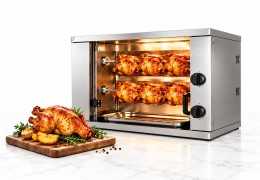
Professional Rotisserie Ovens: Organising Roast Chicken Production and Sales in Food-Service Businesses
Read more
The aroma of roast chicken is one of the most recognisable features of rotisserie and takeaway food service. As...

Professional Hot Chocolate Machines: Preparing Bars, Hotels and Pastry Shops for the Cold Season
Read more
As autumn arrives, customer habits begin to change. Temperatures fall, indoor consumption increases and hot drinks...
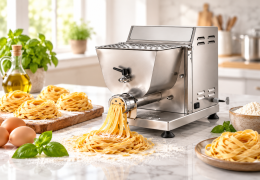
Professional Fresh Pasta Machines: Organising Pasta Production in Restaurants and Food Laboratories
Read more
Fresh pasta is one of the most recognisable products of Italian cuisine, and autumn provides some of the best...
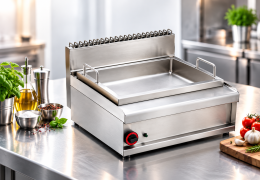
Professional Bratt Pans: Braised Meats, Stews and Slow Cooking for Autumn Menus
Read more
Braised meats, stews, slow-cooked dishes, sauces and other hot preparations return to restaurant, hotel, catering and...
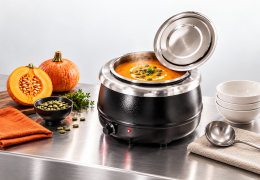
Professional Soup Kettles and Food Warmers: Managing Soups, Cream Soups and Hot Dishes in Autumn
Read more
Fresh summer preparations gradually make way for soups, cream soups, vegetable purées, broths and hot dishes....
Photo gallery
-
1
-
2
-

3
-
4
-
5
-
6