Professional Food Preparation Equipment: How to Choose Based on Your Business Type
When it comes to professional food preparation equipment, choosing the right model based on the volume of work, type of establishment, and the type of product being prepared is essential. Tools like slicers, mixers, cutters, and meat grinders are the heart of a professional kitchen and must be chosen carefully to ensure efficiency, safety, and hygiene.
Professional Slicers
Professional slicers are designed for intensive, continuous use typical of restaurants, delis, and butcher shops. They can be designed for various products: cured meats, meat, or gravity-fed models, which allow the product to be fed by gravity, making it easier to slice larger pieces and ensuring greater operational safety.
Key features to consider:
-
Motor power: essential for achieving uniform cuts even with large quantities of product.
-
Blade diameter: larger diameter means faster and more uniform slicing.
-
Materials: aluminum or stainless steel body, tempered steel blade for wear resistance.
-
Ease of disassembly: essential for cleaning and adhering to hygiene standards.
-
Cutting type: some models allow for millimeter-precise thickness adjustments, ideal for gourmet products.
Professional slicers are designed to handle continuous, intensive work, making them ideal for restaurants, butcher shops, or large-scale kitchens with high production flow.
Professional Mixers
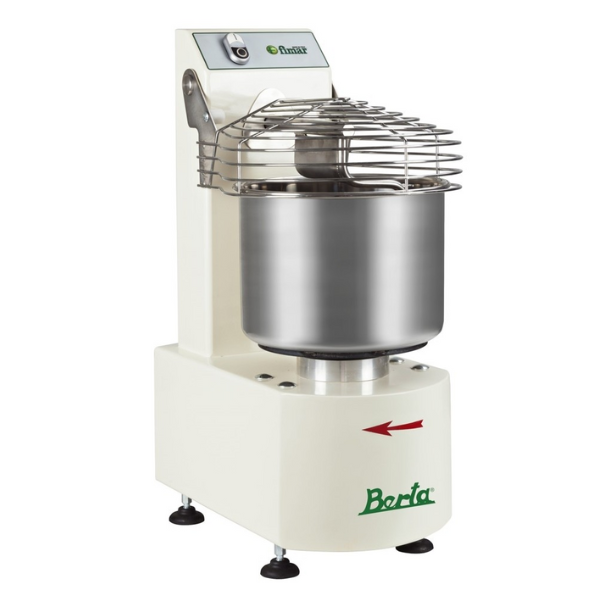
Professional mixers are essential for businesses that produce large quantities of bread, pizza, fresh pasta, or pastries. There are various types, each with specific characteristics in terms of use and capacity:
-
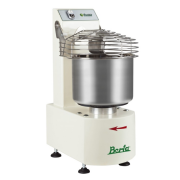
Spiral mixers: ideal for stiff doughs like bread and pizza. The spiral design allows for large quantities while maintaining dough consistency.
-
Dough mixers with lifting arms: used mainly for medium consistency doughs and large volumes. The arms simulate manual mixing, ideal for products with special preparation requirements.
-
Fork mixers: perfect for leavened products and pastry, allowing gluten to develop without overheating the dough.
-
Planetary mixers: very versatile, suitable for soft doughs, pastry, and desserts. They are also used in gourmet kitchens for smaller quantities or specific preparations.
When choosing a mixer, consider the frequency of use, the type of dough, and daily capacity to ensure efficiency and long-term durability.
Professional Cutters
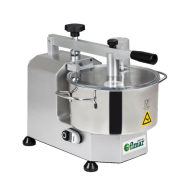
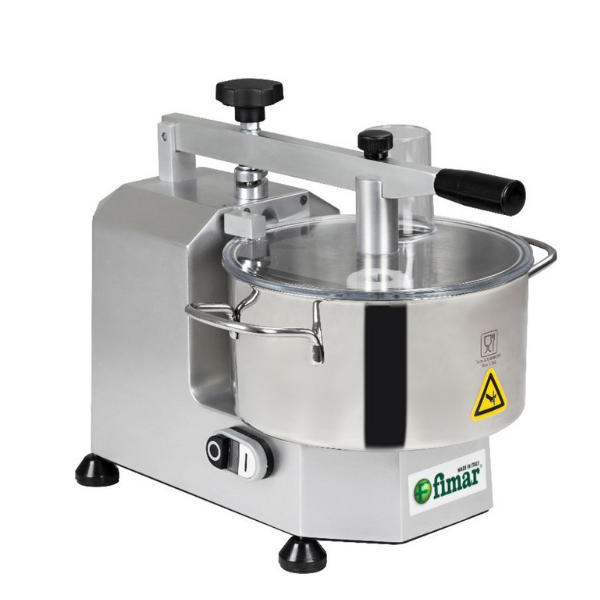
A professional cutter is a versatile tool for chopping, grinding, and emulsifying ingredients. It is essential for preparing ragù, sauces, pâtés, and fillings.
Key features to consider:
-
Bowl capacity: from small units for gourmet kitchens to models over 20 liters for industrial production.
-
Variable speed: allows for precise control over the final product’s consistency.
-
Interchangeable blades and accessories: adaptable to different types of preparations.
-
Robustness and materials: stainless steel body and bowl, resistant to intensive use.
The cutter is ideal in any professional kitchen where precision in chopping and consistency of mixtures is required, without compromising the final product's quality.
Professional Meat Grinders
The professional meat grinder is exclusively for meat processing. It is available in either normal electric or refrigerated versions, and the choice directly impacts production and product quality:
-
Normal electric meat grinder: suitable for medium production, perfect for restaurants and delis.
-
Refrigerated meat grinder: features an integrated cooling system that keeps meat at a constant temperature during processing.
Key features to consider:
-
Motor power: crucial for grinding tough meat or large quantities effortlessly.
-
Disc size: choose based on the desired grind consistency of the meat.
-
Materials: stainless steel for the body and components that come into contact with food.
-
Hourly throughput: specified by the manufacturer, this helps estimate the kitchen’s production capacity.
The professional meat grinder is essential for ensuring safety, hygiene, and product quality, especially when meat is the main ingredient.
Final Considerations
Choosing professional food preparation equipment should always be based on:
-
Daily work volume
-
Type of establishment (gourmet restaurant, pizzeria, deli, butcher shop)
-
Type of product to be processed
-
Available space and ease of maintenance
Investing in high-quality professional equipment ensures consistent performance, safety, hygiene, and greater durability over time. In this article, we’ve only discussed a few of the most common pieces of equipment, but many others are designed for specific needs to optimize kitchen work.
Want to improve your kitchen's efficiency? Explore the right professional equipmentfor your establishment and optimize your workflow with top-quality machines.