The Role of the Sommelier and the Art of the Wine List: How to Store and Enhance Wine in Your Restaurant
The Sommelier: A Professional at the Service of Taste
The figure of the sommelier is central to the gastronomic experience in a restaurant. They are not just wine experts, but real consultants of taste, guiding guests to choose the perfect bottle. The sommelier studies the organoleptic characteristics of wines, knows the production techniques, and understands customer preferences to suggest the ideal pairing with dishes on the menu.
What Does a Sommelier Do? Skills and Responsibilities
A professional sommelier is responsible for:
-
Selecting wines to be included in the wine list, creating a balanced selection of local, national, and international labels.
-
Managing the cellar, monitoring rotation, storage conditions, and stock levels.
-
Recommending the best pairings based on structure, acidity, aromas, and saltiness of the dishes.
-
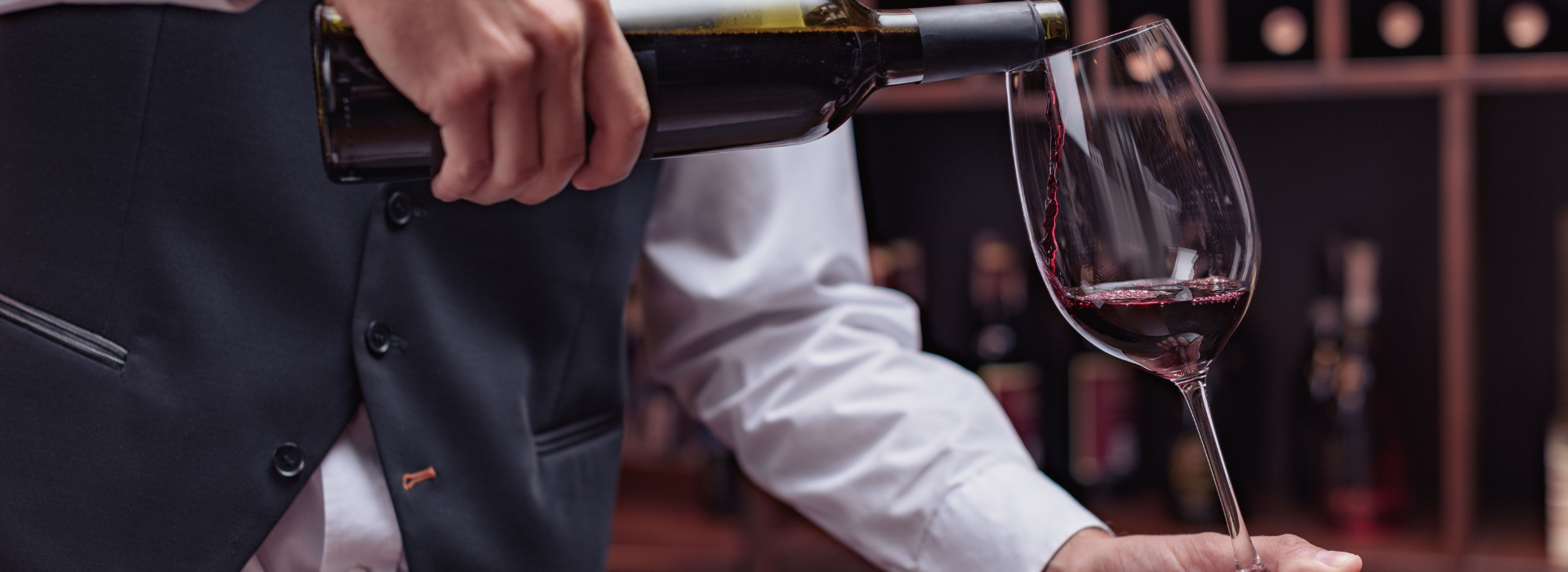
Serving wine correctly, ensuring proper temperature, decanting, and choosing the appropriate glass.
-
Training the waitstaff, ensuring uniform and professional service.
The sommelier’s goal is to maximize the potential of wine and create a complete sensory experience for the customer.
The Wine List: The Identity of the Venue
The wine list is more than just a list of labels; it’s a strategic and communicative tool that reflects the philosophy of the restaurant. It can be:
-
Classic, organized by regions or countries.
-
Thematic, dedicated to a specific territory or grape variety.
-
Technical, organized by type, body, and structure.
-
Experiential, designed to guide the customer through tasting paths.
A skilled sommelier builds a list that aligns with the restaurant's cuisine, balancing well-known wines with more specialized options.
The Art of Pairing: How the Sommelier Chooses Wine
Wine and food pairing follows precise rules but also allows room for creativity. The sommelier evaluates:
-
Contrast (e.g., a fresh, acidic wine with a fatty dish)
-
Harmony (e.g., delicate dishes with light wines)
-
Territoriality (pairing products from the same region)
-
Structure (the more complex the dish, the more structured the wine should be)
This expertise enhances flavors and aromas, improving the overall dining experience.
Wine Storage: A Crucial Factor
To ensure impeccable service, wines must be stored in optimal conditions of temperature, humidity, and lighting. Poor storage can irreparably alter the product, affecting its aromas and flavors.
Ideal temperatures are:
-
White wines: 8–12°C
-
Red wines: 14–18°C
-
Sparkling wines and Champagne: 6–8°C
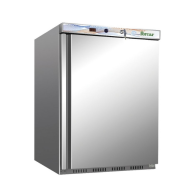
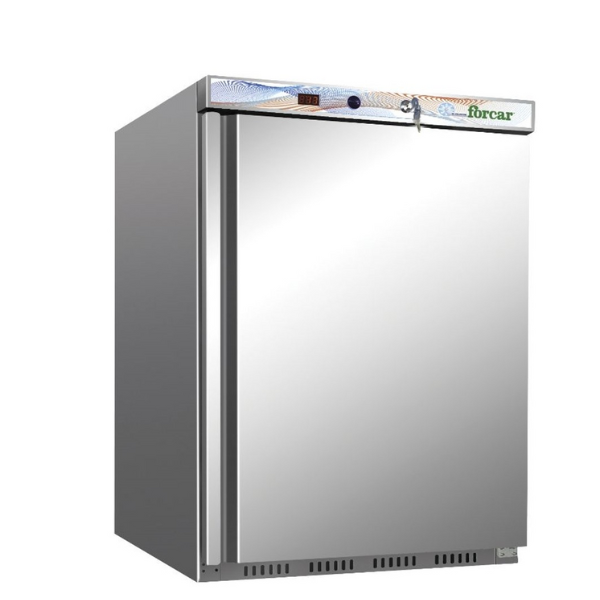
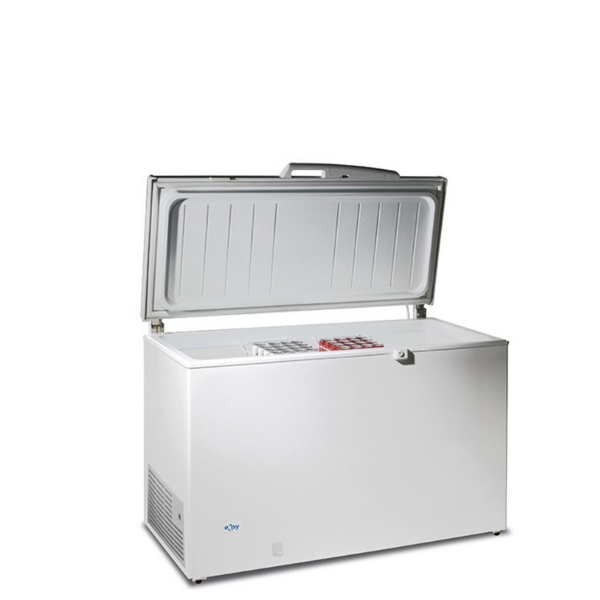
That’s why every restaurant or wine bar should invest in professional equipment to guarantee proper wine storage.
Where to Find Professional Wine Cabinets and Display Units
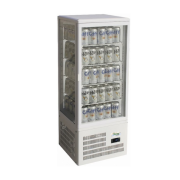
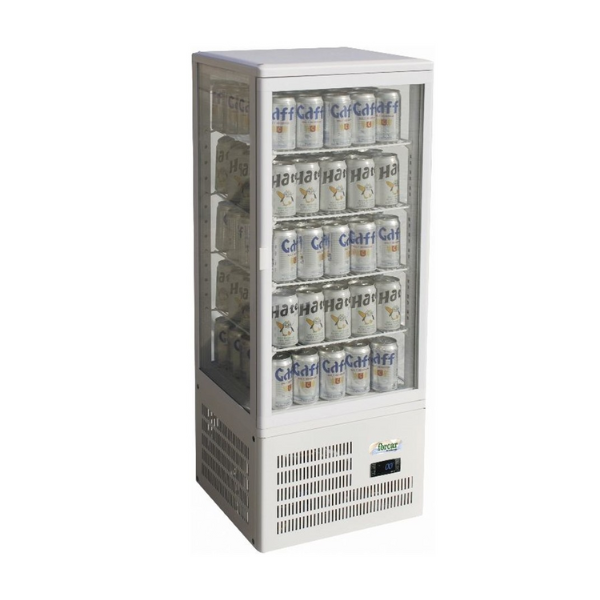
On the website ristorazione-refrigerazione.it, there’s a wide range of wine cabinets and displays designed to maintain the ideal temperatures and present bottles in an elegant and functional way. This is a crucial investment for anyone looking to offer high-quality service and preserve the wines on their list.
Conclusion
The sommelier, the wine list, and proper storage are three essential pillars for any establishment in the restaurant industry. Offering wine served at the perfect temperature, chosen from a curated selection, and presented by a skilled professional elevates the customer experience and sets you apart in the market.
Want to improve how you store and present your wines? Discover professional solutions at ristorazione-refrigerazione.it