Refrigerated Boxes: An Opportunity for Efficient Waste Management in the Restaurant Industry
In the restaurant industry, waste management is a crucial aspect to ensure hygiene, efficiency, and sustainability. Food safety regulations and environmental impact concerns are increasingly pushing restaurateurs to find innovative solutions that not only optimize the waste disposal process but also contribute to improving the entire food management cycle. One of these solutions lies in the use of refrigerated boxes, a fundamental piece of equipment that offers numerous benefits, particularly in the temporary storage of organic waste.
What Are Refrigerated Boxes?
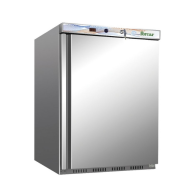
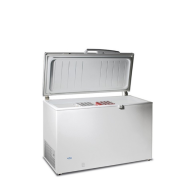
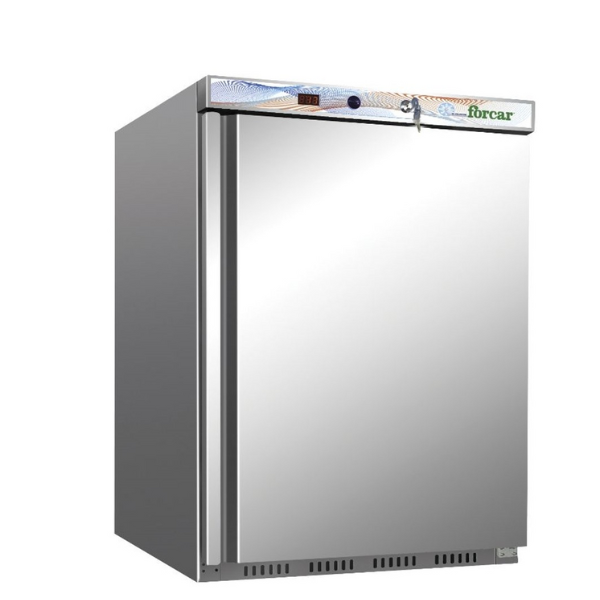
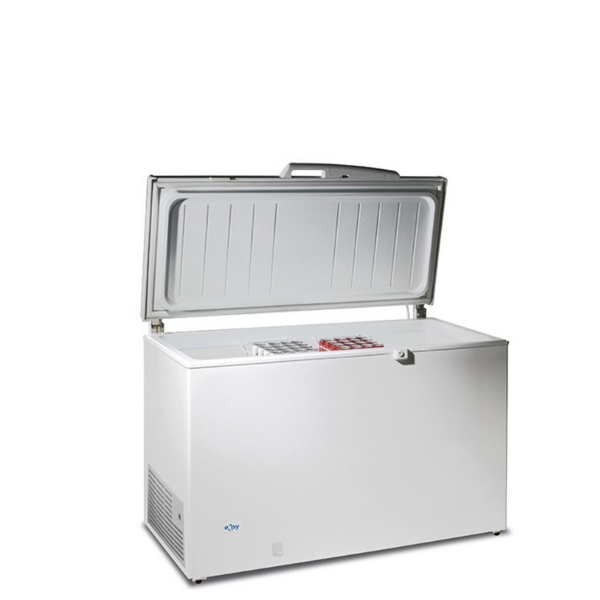
Refrigerated boxes are temperature-controlled containers designed to store food waste safely and hygienically, preventing bacterial growth and the formation of unpleasant odors. In the context of foodservice, these boxes are used to store organic waste such as food scraps, bones, fruit and vegetable peels, until disposal or recycling.
Refrigerating food waste not only slows down the decomposition process but also reduces the risk of cross-contamination between waste and other food items. This is crucial when managing waste in an environment where food safety is essential.
Why Are Refrigerated Boxes Crucial for the Restaurant Industry?
Odor and Decomposition Control
Food waste, if not handled properly, can quickly spoil and produce unpleasant odors, compromising the quality of the work environment and the services provided. By using a refrigerated box, waste is kept fresh for a longer time, reducing the emission of bothersome smells and preventing the formation of harmful substances during decomposition.
Compliance with Environmental and Hygiene Regulations
Food safety and waste management regulations are becoming increasingly stringent. Refrigerated boxes help maintain compliance with current regulations, allowing for safe waste disposal and keeping organic materials separate from non-organic ones, such as plastic and glass. This also facilitates the waste separation process for proper disposal or recycling.
Increased Operational Efficiency
Restaurants, professional kitchens, and hotels that use refrigerated boxes for food waste management can optimize their workflow. Refrigerating waste allows for organized and safe accumulation during operational hours, reducing the need for frequent waste disposal and minimizing hygiene-related risks. It also cuts down on cleaning time for waste areas.
Environmental Sustainability
Organic waste constitutes a significant portion of the waste produced in the restaurant industry. The adoption of refrigerated boxes promotes more efficient recycling, reducing the amount of waste that ends up in landfills. Additionally, refrigerated boxes can be used to collect waste for composting, contributing to a reduction in the overall environmental impact of the establishment.
Prevention of Contamination
Using a refrigerated box allows for the separate storage of organic waste from other materials, reducing the risk of cross-contamination. In a foodservice environment, where consumer health is a priority, any measure that prevents contamination is essential.
How to Choose the Right Refrigerated Box?
To ensure that therefrigerated boxis effective in waste management, it is important to choose the right model. Here are some factors to consider:
Capacity and Size: The box’s capacity should be suitable for the needs of the establishment. Larger restaurants may require larger containers, while smaller ones might suffice with more compact models.
Ease of Cleaning: The box should be designed for easy cleaning, with smooth surfaces and corrosion-resistant materials.
Thermal Insulation: It is important that the box has good thermal insulation to efficiently maintain the desired temperature and reduce energy consumption.
Strength and Durability: A high-quality refrigerated box is designed to withstand daily wear and tear in a high-traffic work environment.
Conclusion
The adoption of refrigerated boxes represents an ideal solution for improving waste management in the restaurant industry. Not only do they help ensure a more hygienic and safe work environment, but they also aid in complying with environmental regulations and optimizing operational efficiency. When properly managed, refrigerated boxes can be a valuable tool for any restaurant that aims to operate responsibly and sustainably.
Investing in proper waste management today is an important step toward a cleaner, more mindful future, with long-term benefits for your business and the environment.