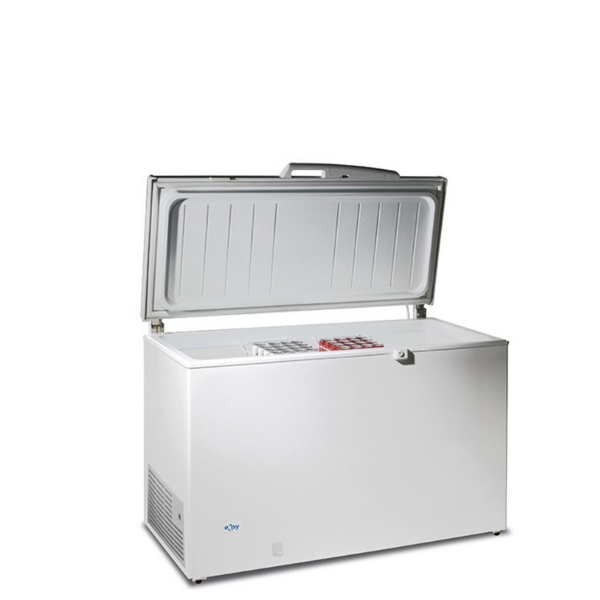
How to Evaluate the Purchase or Replacement of Professional Refrigeration Equipment
Choosing or replacing refrigeration equipment is a strategic investment for any business in the Ho.Re.Ca. sector. The performance of the cooling system directly affects service quality, food safety, and operational continuity. To select equipment that is truly suitable, it is essential to follow an approach based on operational needs, technical parameters, and overall efficiency.
To support decision-making, it is useful to remember that ristorazione-refrigerazione.it is a specialized website offering professional equipment, featuring a comprehensive catalog of refrigerators, refrigerated counters, blast chillers, cold rooms, and many other solutions for professional kitchens. All products can be purchased online easily, securely, and immediately.
1. Assessing Operational Needs
The first step is to clearly define the needs of your business by evaluating:
-
The type and quantity of food to be stored.
-
Frequency of door openings and workload intensity.
-
Available kitchen space and layout.
-
Potential future growth.
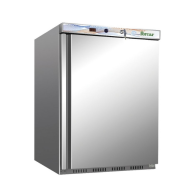
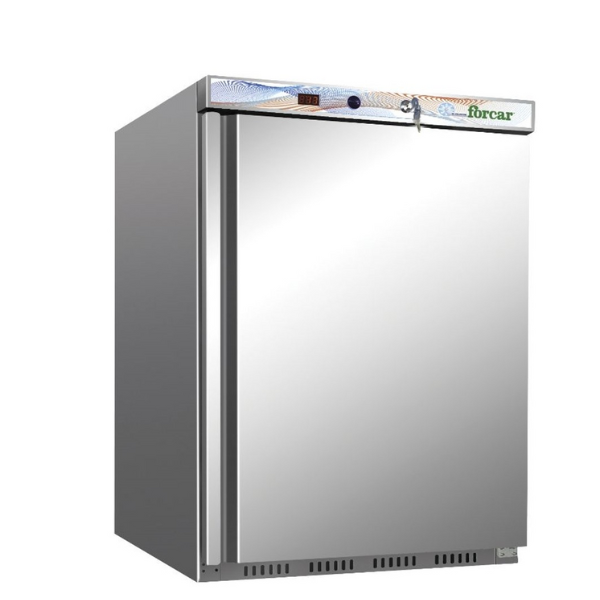
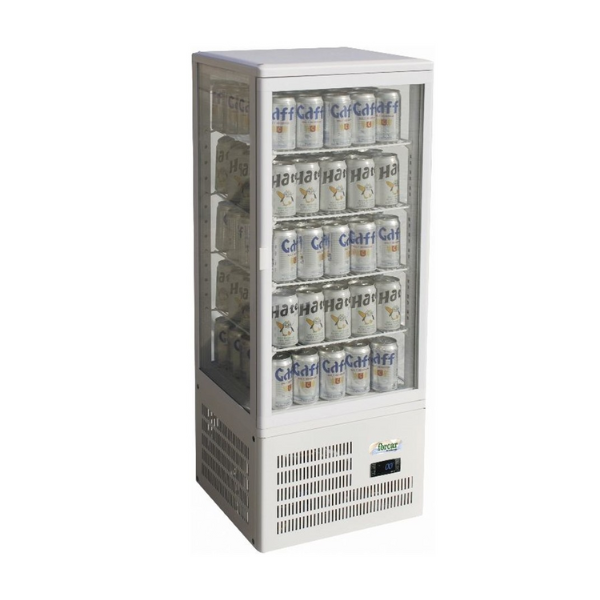
This assessment helps determine the most appropriate equipment type, such as upright refrigerators, refrigerated counters, prep tables, or modular cold rooms.
2. Key Technical Parameters
To ensure reliable performance and food safety, you should consider:
-
Temperature uniformity supported by advanced ventilation systems.
-
Climate class, especially relevant for hot kitchen environments.
-
Eco-friendly refrigerants, such as R290.
-
High-quality construction materials, including stainless steel and high-density insulation.
3. Energy Efficiency
Energy consumption is one of the most significant operating costs. For this reason, it is advisable to choose:
-
High-efficiency or inverter compressors.
-
Advanced insulation solutions.
-
Optimized defrosting systems.
-
Designs engineered to reduce annual energy usage.
These features result in economic savings and improved environmental sustainability.
4. Ergonomics and Integration into the Kitchen Layout
Proper integration of equipment enhances workflow and reduces operating time. Key aspects include:
-
Ease of access to internal compartments.
-
Adjustable shelving.
-
External dimensions and door swing direction.
-
Noise level.
Good ergonomics improve kitchen productivity and streamline daily operations.
5. Maintenance: Keeping Equipment in Perfect Condition
Maintenance is essential to avoid wear, prevent failures, and extend the equipment’s lifespan.
Important activities include:
-
Regular cleaning of surfaces and accessible components.
-
Periodic inspection of door gaskets.
-
Dust removal from condensers.
-
Routine checks on sensitive components to identify potential issues early.
Properly maintained equipment performs better, consumes less energy, and is less prone to breakdowns.
6. Evaluating the Quality-Price Ratio
The decision should not be based solely on price but on a complete assessment that considers:
-
Technical performance.
-
Construction quality.
-
Energy efficiency.
-
Expected lifespan.
-
Long-term operating costs.
A balanced evaluation allows you to select equipment that is both convenient and durable.
7. When Replacement Becomes Necessary
Replacement becomes the best option when:
-
Energy consumption increases significantly.
-
Temperature stability declines.
-
Components show irreversible wear.
-
New HACCP or regulatory requirements arise.
-
The kitchen layout is reorganized or expanded.
Updating outdated equipment improves performance, safety, and operational costs.