Pâtisserie Baking Trays: The Complete Guide to Using Teflon Baking Trays for Perfect Results
Pâtisserie is an art that requires precision, technique, and the right tools. Among the essential tools for pastry chefs, baking trays are undoubtedly among the most used. While metal trays were once the most common, Teflon trays are gaining increasing popularity today. But why are Teflon baking trays so appreciated in the pastry world, and what benefits do they offer compared to other materials? Let’s find out.
Why Choose Teflon Baking Trays for Pâtisserie?
Teflon baking trays are made with a non-stick PTFE (polytetrafluoroethylene) coating, a material that offers numerous advantages in pâtisserie. The Teflon coating allows for even baking and easy removal of baked goods without sticking to the tray’s surface. Here are some of the main reasons why pastry chefs prefer Teflon baking trays:
1. Exceptional Non-Stick Properties
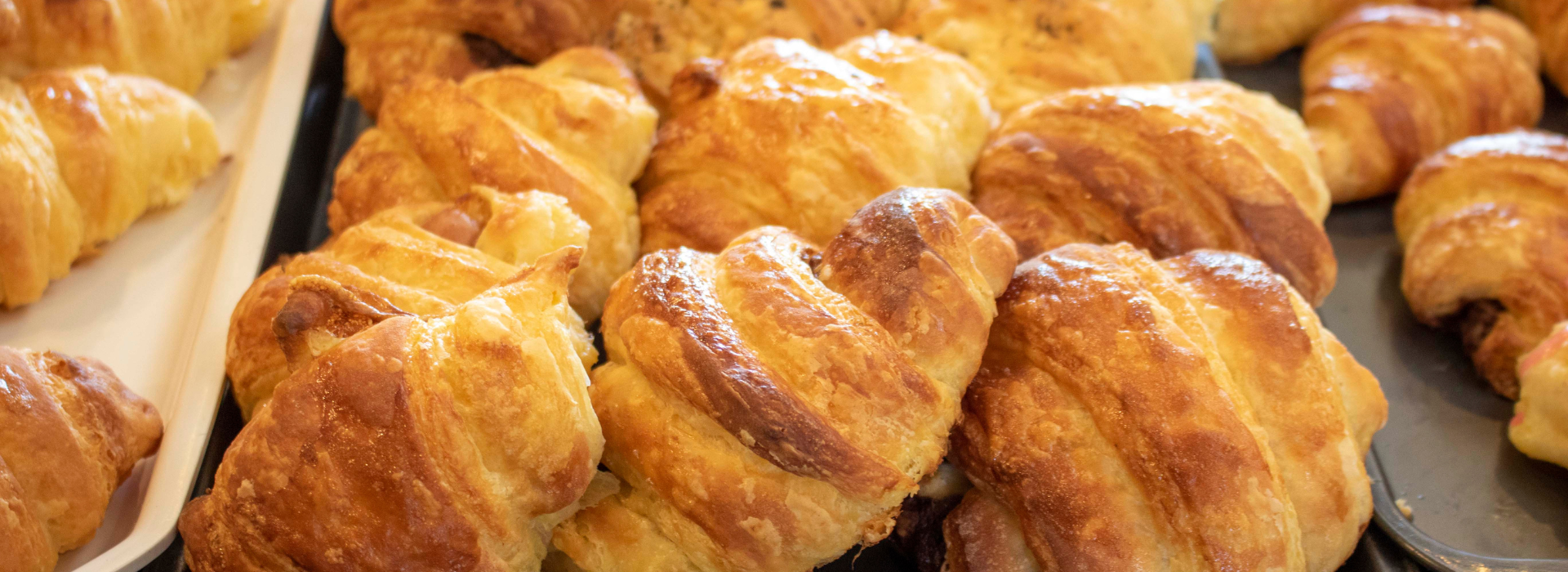
The main advantage of Teflon trays is their non-stick ability. This means dough won’t easily stick to the tray, greatly reducing the risk of ruining products during removal. This is especially helpful for delicate baked goods such as cakes, cookies, croissants, eclairs, and pastries, which could easily break or crumble if not handled carefully.
2. Even Heat Distribution
Teflon trays provide uniform heat distribution, promoting even baking. This is crucial in pâtisserie, where precise baking is essential to achieve the perfect texture and color. Teflon trays help avoid hot or cold spots that could compromise the final product.
3. Easy Cleaning
The non-stick surface of Teflon trays makes cleaning a breeze. There is no need for oils or parchment paper, making baking simpler and quicker. After use, just wipe with a damp cloth or soft sponge to remove any dough or cream residue, avoiding the harsh scrubbing needed for other types of trays.
4. Durability and Resistance
Teflon trays are highly durable and long-lasting, especially when used properly. They do not easily warp and are designed to withstand high temperatures of around 230°C-260°C (446°F-500°F), the ideal range for many pastry bakes. This makes them a great long-term investment, saving both time and money.
5. Less Added Fats and Sugars
Since dough doesn’t stick to the tray, there is less need for added oils, butter, or flour for greasing and dusting the tray. This can be beneficial both for health, reducing unnecessary fats, and for sustainability, cutting down on material waste.
When to Use Teflon Baking Trays in Pâtisserie?
Teflon baking trays are versatile and can be used for various pastries. Here are some common applications:
-
Cakes and Cookies: Teflon trays are perfect for baking cakes and cookies, which might otherwise stick and break apart. The smooth surface allows easy removal once baked.
-
Tarts and Sweet Focaccia: Teflon helps bake tart or sweet focaccia bases evenly, preventing burning or sticking during the baking process.
-
Eclairs and Profiteroles: These delicate pastries are especially sensitive to shape during baking. Teflon trays allow for easy removal without compromising their shape.
-
Muffins and Cupcakes: Teflon trays are ideal for muffins and cupcakes, as there is no need for paper liners, reducing material waste.
-
Pound Cakes and Loaf Cakes: These trays are also great for moist cakes, where consistency and integrity must be maintained.
Advantages of Teflon Baking Trays Compared to Other Materials
Teflon trays stand out from other types of trays, such as aluminum, steel, or ceramic, due to their unique properties. Here’s how they compare:
-
Aluminum Trays: While aluminum trays are lightweight and relatively inexpensive, they don’t have the same non-stick properties as Teflon trays. Additionally, aluminum can react with acidic ingredients like lemon juice or vinegar, altering the taste and appearance of the pastry.
-
Steel Trays: Steel trays are sturdy and durable, but they often require proper preparation (like greasing or parchment paper) to prevent sticking. Also, they don’t distribute heat as evenly as Teflon.
-
Ceramic Trays: Ceramic trays, while great for certain types of pastries, aren’t always ideal for precise pâtisserie work. They are also harder to clean and more fragile compared to Teflon trays.
How to Care for Teflon Baking Trays
While Teflon traysare easy to clean and maintain, it’s important to follow a few guidelines to extend their life:
-
Avoid Metal Utensils: To prevent damaging the non-stick coating, always use utensils made of wood, silicone, or plastic. Metal utensils can scratch the surface, compromising the non-stick properties.
-
Do Not Use High Temperatures: While Teflon trays can withstand relatively high temperatures, it’s best not to exceed 230°C (450°F) to prevent damage to the coating.
-
Gentle Cleaning: After each use, wash the tray with warm water and a mild detergent. Avoid abrasive sponges or harsh cleaners that could damage the coating.
-
Dry Thoroughly: After washing, dry the tray completely before storing it to prevent any residual moisture from damaging the coating.
Conclusion
Teflon baking trays are an excellent choice for anyone looking to achieve perfect results in pâtisserie without the risk of sticking or damaging delicate pastries during the removal process. Thanks to their non-stick properties, even heat distribution, and easy cleaning, they are an indispensable tool for every baker, from beginners to professionals. Investing in quality trays not only improves the final result but also makes kitchen work faster and more efficient.